On-chain treasuries 2026: The reality check
The promise of on-chain treasuries 2026 is no longer just theoretical. Major financial institutions are actively testing how tokenized U.S. Treasuries and other high-quality liquid assets can move from experimental pilots to core balance sheet operations. This shift is driven by the need for faster settlement, programmable yield, and greater transparency in treasury management.
However, the gap between promise and practice remains wide. While platforms like RWA.xyz showcase billions in tokenized debt, most corporate treasuries still rely on traditional banking rails for daily liquidity. The transition requires navigating complex regulatory landscapes, choosing the right blockchain infrastructure, and ensuring robust custody solutions. It is not a simple migration but a strategic overhaul of how companies manage their most critical assets.
On-chain treasuries 2026 choices that change the plan
Moving treasury assets on-chain is no longer just a technology experiment; it is a structural shift in how corporations manage liquidity. By 2026, the tradeoffs between traditional fiat settlement and on-chain digital assets have become concrete. Treasurers must evaluate these options not just for yield, but for operational risk, regulatory clarity, and integration complexity.
The core decision involves choosing between tokenized real-world assets (RWAs), such as U.S. Treasury bills, and direct holdings of volatile assets like Bitcoin or Ethereum. Each approach carries distinct implications for balance sheet management, counterparty exposure, and daily operational workflows.
Evaluating the choices that change the plan
The following comparison breaks down the primary factors treasurers should weigh when selecting an on-chain treasury strategy.
| Factor | Tokenized RWAs (e.g., T-Bills) | Direct Crypto (BTC/ETH) | Traditional Fiat |
|---|---|---|---|
| Yield Stability | Predictable, market-linked yields (e.g., SOFR). | Highly volatile; no inherent yield unless staked/lent. | Low or negative real yields in high-rate environments. |
| Regulatory Clarity | Evolving; strong precedent in money market funds. | Uncertain; depends on classification (security vs. commodity). | Well-established; clear legal framework. |
| Counterparty Risk | Relies on issuer, custodian, and smart contract. | Minimized if self-custodied; high if using exchanges. | Relies on banks and clearinghouses. |
| Liquidity & Speed | Near-instant settlement; 24/7 availability. | Instant on-chain; off-ramping can take days. | T+1 or T+2 settlement; limited to business hours. |
| Integration Complexity | High; requires new tech stack and custodians. | High; requires secure custody and accounting. | Low; integrates with existing ERP systems. |
For many corporations, the hybrid approach is emerging as the pragmatic standard. Holding stable assets on-chain for operational liquidity while maintaining traditional fiat for major capital expenditures allows treasurers to capture the benefits of blockchain efficiency without exposing the entire balance sheet to crypto volatility. As Tradeweb and other institutional players execute on-chain Treasury transactions, the infrastructure gap is narrowing, making these tradeoffs easier to quantify.
Ultimately, the choice depends on the corporation's risk tolerance and technological maturity. Tokenized RWAs offer a bridge to traditional finance, while direct crypto holdings provide a pure play on digital asset appreciation. Treasurers must stress-test their chosen model against potential regulatory shifts and smart contract vulnerabilities before committing capital.
Evaluate On-Chain Treasury Options
Treasury teams are no longer debating whether to explore on-chain assets; the question is how to structure the exposure without compromising liquidity or compliance. The market has shifted from speculative experimentation to institutional-grade infrastructure, where tokenized U.S. Treasuries and stablecoins serve as yield-bearing extensions of the cash management stack.
To build a practical framework, start by auditing your current liquidity requirements against on-chain alternatives. Traditional money market funds offer stability but often lag in settlement speed and accessibility. On-chain tokenized treasuries, such as those tracked on platforms like RWA.xyz, provide near-instant settlement and programmable yield distribution, though they require robust custody solutions and clear regulatory alignment.
Next, assess the counterparty and custody risks. Unlike traditional bank deposits, on-chain assets rely on smart contract integrity and multi-signature wallet protocols. Evaluate providers based on their audit history, insurance coverage, and integration capabilities with existing ERP or treasury management systems. The goal is to find a solution that feels as secure as a bank vault but moves as fast as the blockchain.
Finally, pilot the strategy with a small, non-critical allocation. This allows your team to test settlement flows, yield reporting, and compliance checks in a live environment. Use the insights from this pilot to refine your policy before scaling up. The following steps outline the key components you need to evaluate when selecting an on-chain treasury solution.

Map your cash flow cycles to identify which funds can tolerate on-chain settlement times. Short-term operational cash may stay in traditional accounts, while longer-horizon reserves can be deployed into tokenized treasuries for yield.
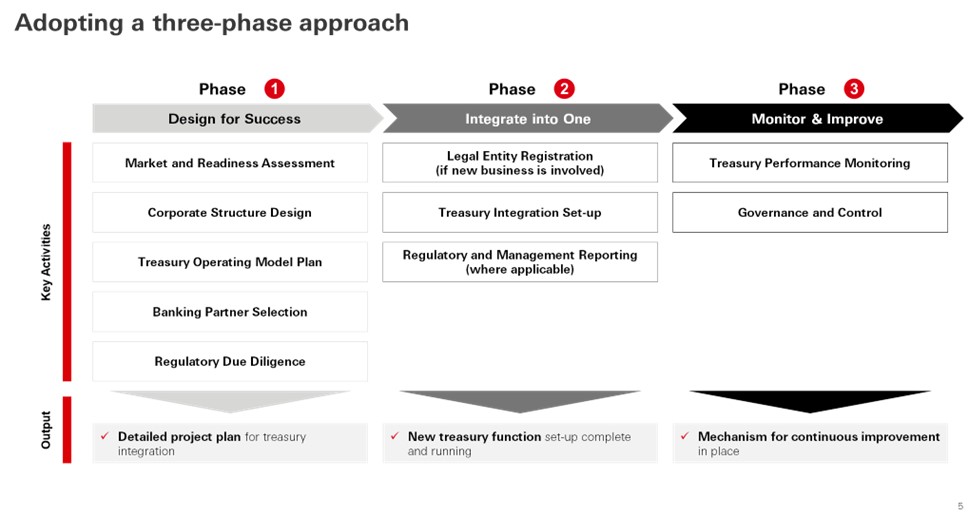
Compare institutional-grade custody solutions that offer multi-sig wallets, MPC technology, and insurance coverage. Prioritize providers with a proven track record in handling corporate-scale assets and clear compliance reporting.

Review audit reports from reputable firms like OpenZeppelin or Trail of Bits. Ensure the underlying protocols for tokenized treasuries have undergone rigorous stress testing and have bug bounty programs in place.

Verify API compatibility with your existing ERP or treasury management software. Seamless data flow for yield reporting, transaction history, and compliance tagging is essential for operational efficiency.
Deploy a small allocation to test the end-to-end process. Monitor settlement speed, yield accrual accuracy, and reporting clarity. Use this phase to refine your internal policies and risk thresholds.
Spotting Weak Options in On-Chain Treasury Strategies
Many corporate treasury teams are drawn to on-chain Bitcoin and Ethereum strategies by promises of instant liquidity and yield. However, the gap between marketing hype and operational reality is where mistakes happen. Before allocating balance sheet capital, you need to identify which options are structurally weak or misleading.
The Liquidity Illusion
A common trap is assuming that tokenized U.S. Treasuries or stablecoins offer the same liquidity as traditional bank deposits. While platforms like RWA.xyz show billions in distributed value, secondary market depth can vanish during stress. Unlike a wire transfer, selling on-chain assets may require accepting a significant discount if no buyer is present. This is not a feature; it is a risk that can freeze corporate cash when it is needed most.
Yield That Isn’t Yield
Another weak option is chasing high APYs on-chain without understanding the source. Many "yield" products are simply passing through the underlying asset’s return plus a fee, or worse, relying on unsustainable token emissions. If the yield exceeds the risk-free rate by a wide margin, the treasury is taking on hidden credit or smart contract risk. Always trace the yield back to its origin: is it real cash flow, or just inflated tokenomics?
Smart Contract Exposure
Finally, consider the counterparty risk inherent in on-chain custody. Even if you use a reputable custodian, the smart contracts holding your assets are vulnerable to bugs or exploits. Traditional treasury instruments have decades of legal precedent and insurance; on-chain equivalents are still experimental. For a corporate balance sheet, this exposure is often unacceptable unless the strategic benefit outweighs the potential for total loss.
No comments yet. Be the first to share your thoughts!