Define treasury goals and risk limits
Build an On-Chain Treasury for Bitcoin and Stablecoins works best as a sequence, not a scramble through settings. Do the minimum first: confirm compatibility, connect the core hardware, update only when needed, and test the result before adding optional features. That order keeps the task understandable and makes failures easier to isolate. After each step, pause long enough for the interface to finish syncing. Many setup problems are timing problems disguised as configuration problems. If the same step fails twice, record the exact error, restart the smallest affected piece, and retry before moving deeper.
The simplest way to use this section is to keep the setup small, verify each change, and record the stable configuration before adding optional accessories.
Select secure custody infrastructure
The backbone of any on-chain treasury is the custody layer. Traditional finance relies on banks to hold cash; on-chain, you must select a digital asset custodian that guarantees the security of your Bitcoin and stablecoins. This decision determines whether your treasury survives a hack or a simple key compromise.
Prioritize infrastructure that uses Multi-Party Computation (MPC). Unlike traditional single-key wallets where one compromised private key grants total access, MPC splits the key into shards. No single party, not even the custodian, holds the complete key. Transactions require a threshold of shards to sign, ensuring that even if one server is breached, your assets remain locked.
Look for institutional-grade security certifications. Reputable providers undergo rigorous audits, such as SOC 2 Type II compliance, and often hold insurance coverage for digital assets. This is not just about technology; it is about legal recourse and financial backing. If a breach occurs, you need a provider with the resources to make you whole, not just a software vendor.
Integrate this infrastructure with your treasury management workflows. The custodian should offer APIs that allow your treasury software to initiate transactions securely. This keeps the signing process within your approved workflow, preventing unauthorized transfers while maintaining the speed necessary for active treasury operations.
Allocate capital across Bitcoin and stablecoins
Splitting treasury funds between Bitcoin and stablecoins requires balancing long-term value preservation against immediate operational liquidity. Bitcoin serves as a volatile reserve asset, while stablecoins like USDC provide the predictable purchasing power needed for day-to-day expenses. This division mirrors traditional corporate treasury management, where cash reserves cover payroll and vendors while equity holdings capture market appreciation.
Modern on-chain treasuries use smart contracts to automate this split, enforcing spending rules without manual intervention. Chainlink’s research on corporate treasuries highlights how distributed ledger technology allows organizations to manage tokenized real-world assets with greater transparency than traditional banking ledgers. By automating the flow between volatile and stable assets, treasurers can reduce settlement times and minimize counterparty risk.
The following comparison outlines the distinct roles each asset class plays in an on-chain treasury structure.

TechnicalChart symbol="BINANCE:BTCUSD" chartStyle="line" interval="1D" indicators='["volume"]'
This mechanical approach transforms treasury management from a reactive accounting task into a proactive strategic function. By clearly separating reserve assets from operational liquidity, organizations can navigate crypto volatility while maintaining financial stability.
Deploy stablecoin yield strategies
Once your treasury holds stablecoin reserves, the next step is deploying them into yield-generating mechanisms. On-chain treasuries use distributed ledger technology and tokenized real-world assets (RWAs) to manage these funds, offering transparency and programmability that traditional banking does not. However, yield comes with risk. Your primary goal is to balance return with capital preservation, ensuring the treasury remains solvent even during market stress.
The most reliable on-chain yield strategies today mirror traditional money market funds or tokenized treasuries. These instruments typically invest in short-term U.S. government debt or high-grade commercial paper, distributing yield to token holders. This approach reduces counterparty risk compared to unsecured lending protocols, where smart contract vulnerabilities or protocol insolvency can lead to total loss.
Begin by identifying a protocol that issues tokenized versions of regulated financial products. Look for providers like Backed Finance or Ondo Finance, which tokenize real-world assets such as U.S. Treasury bills. Verify that the issuer is registered with relevant financial authorities (e.g., the SEC) and that the underlying assets are held in segregated, audited custodial accounts. Do not rely on unverified yield aggregators for treasury reserves.
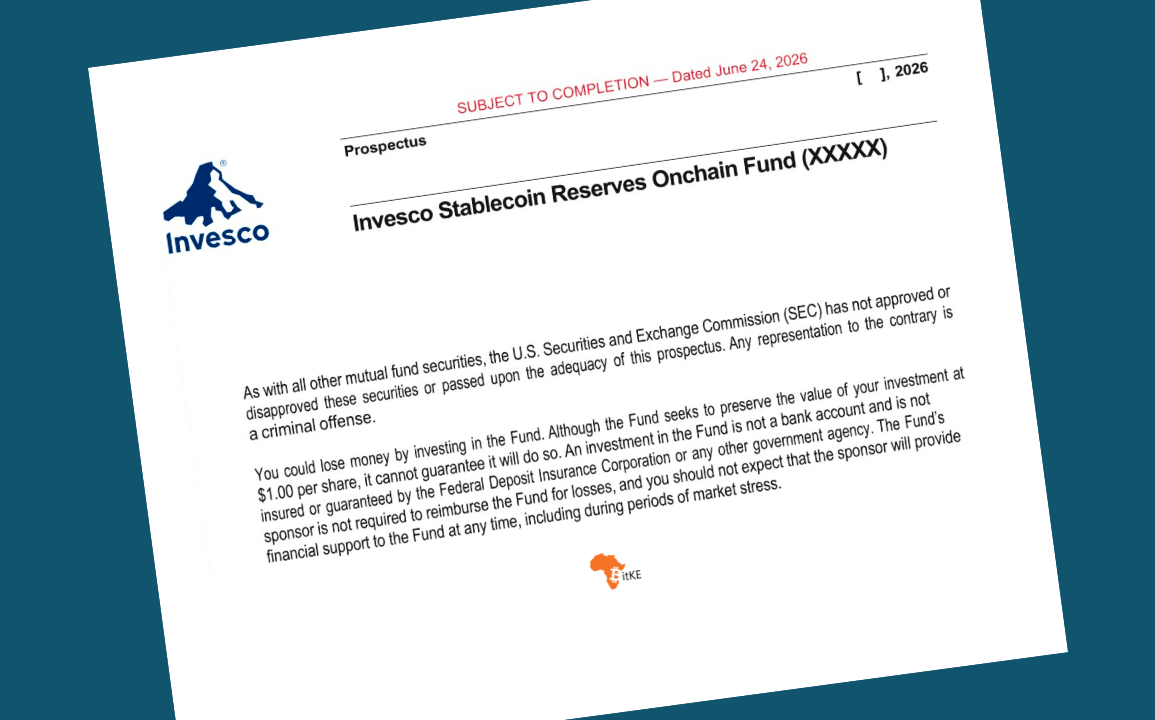
Before deploying capital, review the smart contract architecture and the legal structure of the token. Ensure the token is fully backed 1:1 by the underlying asset. Check if the protocol has undergone third-party security audits by reputable firms like OpenZeppelin or Trail of Bits. Read the prospectus or whitepaper to understand the fee structure, redemption windows, and custody arrangements. Transparency in the legal wrapper is as important as the code.
Transfer the required stablecoin amount from your treasury’s cold storage to the yield provider’s deposit contract. This transaction must be executed through your multisignature wallet (e.g., Gnosis Safe) to ensure proper governance. Require multiple signatures from authorized signers to prevent unauthorized deployments. After the transaction is confirmed, verify that the yield-bearing tokens (e.g., bUSD, OUSG) appear in your treasury wallet balance.
Set up automated monitoring for your yield positions. Track the annual percentage yield (APY) and compare it against risk-free rates. If the yield provider changes its underlying asset allocation or if regulatory conditions shift, reassess the strategy. Rebalance your treasury periodically to ensure the majority of funds remain in the safest, most liquid instruments available. Never chase unsustainable yields that exceed the risk-free rate by wide margins.
Treasury optimization involves managing cash and investments to maximize returns while minimizing risk. By sticking to tokenized treasuries and money market funds, you maintain the liquidity needed for operations while earning a yield that reflects real-world economic conditions. This approach keeps your treasury compliant, transparent, and resilient.
Implement automated rebalancing rules
Manual rebalancing introduces execution risk and latency that can erode treasury value during volatile market conditions. By encoding rebalancing logic into smart contracts or utilizing dedicated treasury management tools, you enforce discipline and remove emotional or operational friction from portfolio adjustments. This approach treats your treasury not as a static holding, but as a dynamic system that self-corrects to maintain your target risk profile.
The foundation of this automation lies in defining precise triggers. You must determine the conditions under which the treasury shifts assets between Bitcoin and stablecoins. Common triggers include time-based intervals, percentage deviations from target weights, or external price oracle feeds. For instance, if Bitcoin’s allocation exceeds 60% of the total treasury value, the contract automatically sells a portion to return to the 50% target, capturing gains and reducing exposure.
- Thresholds: Define the exact percentage deviation (e.g., ±5%) that triggers a rebalance. Tighter thresholds increase frequency but may incur higher gas costs.
- Execution Windows: Set specific time windows for transactions to avoid executing during periods of extreme network congestion or low liquidity.
- Slippage Tolerance: Configure maximum acceptable price impact for swap transactions to prevent significant value loss during execution.
- Oracle Source: Select a reliable, decentralized price oracle (such as Chainlink) to ensure the triggering data is accurate and resistant to manipulation.
When implementing these rules, prioritize security and transparency. Use audited smart contracts from reputable providers or established treasury management platforms that offer multi-signature controls. This ensures that while the rebalancing is automated, critical overrides or changes to the rules still require human authorization, balancing efficiency with the high-stakes security requirements of institutional-grade treasury management.
Verify proof of reserves and compliance
Treasury security relies on verifiable truth, not promises. Before allocating significant capital, you must confirm that the assets you intend to hold actually exist and that the entities managing them meet regulatory standards. This section outlines the technical and legal checks required to validate on-chain holdings.
Confirm asset existence with on-chain audits
Proof of reserves requires independent verification that wallet balances match reported liabilities. For Bitcoin and stablecoins, this means auditing the public ledger directly rather than trusting internal company records. You should require monthly or real-time attestations from reputable audit firms that specialize in digital assets. These firms publish cryptographic proofs that specific wallet addresses hold the claimed amounts.
When evaluating stablecoins like USDC or USDT, verify the issuer’s monthly reserve reports. These documents detail the composition of backing assets, ensuring they are held in high-quality liquid instruments. Cross-reference these reports with on-chain data using block explorers to ensure no funds have been moved to unverified addresses. This dual-layer verification prevents reliance on opaque custodial claims.
Assess regulatory compliance and legal structure
Compliance is not optional for corporate treasuries. You must ensure the treasury vehicle is structured to comply with local securities laws, tax regulations, and anti-money laundering (AML) directives. Engage legal counsel to review the jurisdiction of your treasury entity and the classification of the digital assets held.
Verify that your service providers—exchanges, custodians, and auditors—are licensed and regulated. Check their standing with relevant financial authorities, such as the SEC in the United States or equivalent bodies elsewhere. A lack of regulatory oversight exposes the treasury to counterparty risk, frozen assets, and legal liability. Document all compliance checks and retain evidence of due diligence for internal and external audits.
Avoid common on-chain treasury mistakes
Building an on-chain treasury requires precision. Small errors in protocol selection or leverage can lead to significant capital loss. The following pitfalls are the most frequent causes of failure for corporate treasuries entering the space.
Overleveraging stablecoin yields
Chasing high yields often leads to unsustainable strategies. As noted by industry analysis, corporate cash is moving from idle balances to always-on yield, but this requires careful risk management. Using unverified yield protocols or excessive leverage exposes the treasury to smart contract risk and market volatility. Stick to audited, institutional-grade money market funds or established stablecoin issuers.
Ignoring liquidity and settlement risks
Stablecoin transactions can face "stablecoin sandwiches" or liquidity crunches during high volatility. This occurs when large orders slip significantly against the mid-market price. Ensure your treasury maintains sufficient liquidity buffers across multiple issuers and exchanges. Do not rely on a single pool for critical operational payments.
Using unverified infrastructure
Many wallets and multisig solutions lack proper audit trails or legal compliance frameworks. Verify that every component of your stack—from custodial solutions to transaction signing—meets your organization’s security standards. Rely on official documentation and primary sources for all technical integrations.
Frequently asked questions about on-chain treasuries
What are on-chain payments?
On-chain payments are transactions where settlement occurs directly on a public blockchain using stablecoins like USDC or USDT. Unlike traditional card payments, these transfers rely on cryptographic signatures from a digital wallet rather than card network authorizations. This structure enables "agentic" payments, where autonomous programs execute transactions without manual human intervention, significantly reducing settlement times for corporate treasuries.
What blockchain infrastructure do major banks use?
Institutional adoption often relies on private or permissioned ledger systems rather than public networks. For example, JPMorgan Chase’s Onyx platform facilitates secure peer-to-peer data transfers through its Liink application. Currently, hundreds of banks utilize this infrastructure to exchange payment-related information securely, demonstrating a preference for controlled environments that maintain regulatory compliance and data privacy.
What are the primary risks of holding stablecoins in a treasury?
The most significant risk is "stablecoin sandwich" liquidity risk, where rapid market fluctuations or exchange bottlenecks can erode the value of assets during transfers. Treasurers must mitigate this by diversifying across multiple issuers and exchanges. Relying on a single stablecoin or exchange creates a single point of failure; robust treasury management requires choosing platforms with deep liquidity and transparent reserve audits to ensure asset stability during high-volume periods.
No comments yet. Be the first to share your thoughts!