The on-chain treasury in 2026
The shift from holding Bitcoin as a passive reserve to managing it as an active on-chain treasury is now a structural reality. In 2026, the question is no longer whether to move assets on-chain, but how to handle the operational complexity that comes with it. Companies are moving beyond simple cold storage to integrate digital assets into their core financial workflows, seeking yield and liquidity without sacrificing security.
This evolution is driven by the need for transparency and efficiency. Traditional balance sheets often obscure the true state of digital assets, but on-chain ledgers provide real-time verification. However, this visibility brings new challenges. Treasury teams must now manage private keys, smart contract interactions, and regulatory reporting simultaneously. The margin for error is slim, and the tools available are still maturing.
The landscape is defined by a few key strategies. First, there is the use of Bitcoin and Solana as primary reserve assets, chosen for their liquidity and network stability. Second, stablecoins are being integrated for daily operations, reducing the friction of fiat on-ramps and off-ramps. Finally, the use of institutional-grade custody solutions has become standard, but with a twist: many firms are opting for multi-signature setups that distribute control across geographies and entities.
The tradeoffs are clear. On-chain treasuries offer superior auditability and faster settlement times, but they require a different skill set. Treasury managers must be fluent in both traditional finance and blockchain technology. The cost of implementation is high, but the long-term benefits of reduced counterparty risk and increased capital efficiency are driving adoption. As the industry matures, we expect to see more standardized protocols emerge, making on-chain treasury management less of a bespoke project and more of a standard operational procedure.
On-chain treasury 2026 choices that change the plan
By 2026, the decision to move corporate treasuries on-chain is no longer about novelty; it is a balance of operational efficiency against regulatory and technical risk. Institutions are evaluating digital assets not just as speculative holdings, but as core infrastructure for payments and liquidity management. The shift requires navigating a complex landscape where smart contracts replace traditional custodians, and tokenized real-world assets (RWAs) settle in seconds rather than days.
When selecting a treasury strategy, companies must weigh the speed and transparency of blockchain networks against the immutability of code and the evolving regulatory framework. The following comparison breaks down the primary asset classes and their specific tradeoffs for institutional adoption.
| Asset Class | Settlement Speed | Primary Risk | Regulatory Clarity |
|---|---|---|---|
| Bitcoin (BTC) | High (on-chain) | Price volatility | Evolving (commodity status) |
| Solana (SOL) | Instant | Network stability | Emerging framework |
| USDC/USDT | Instant | Issuer counterparty | High (regulated issuers) |
| Tokenized T-Bills | T+1 to Instant | Smart contract bug | High (SEC guidance) |
Bitcoin remains the standard for long-term value preservation, offering deep liquidity and a clear commodity classification in many jurisdictions. However, its price volatility makes it less suitable for daily operational expenses. Solana provides the speed required for high-volume payments, but its history of network outages requires robust backup systems. Stablecoins like USDC offer instant settlement and price stability, yet they introduce counterparty risk tied to the issuer’s reserve management. Tokenized treasury bills bridge the gap between traditional finance and blockchain, offering yield with near-instant settlement, though they rely heavily on the security of the underlying smart contracts.
Choosing the right mix depends on your institution’s risk tolerance and operational needs. A diversified approach often combines the stability of tokenized short-term debt with the liquidity of stablecoins for daily transactions, while holding a smaller allocation of Bitcoin for long-term treasury growth. Always verify the regulatory status of any digital asset in your specific jurisdiction before integrating it into your treasury stack.
Choose the Next Step for Your Treasury Strategy
Building an institutional on-chain treasury is no longer just about buying Bitcoin. In 2026, the focus has shifted to operational efficiency, yield generation, and regulatory clarity. This framework helps you decide whether to allocate more capital to institutional on-chain treasuries, how to structure those holdings, and which assets provide the best risk-adjusted returns.
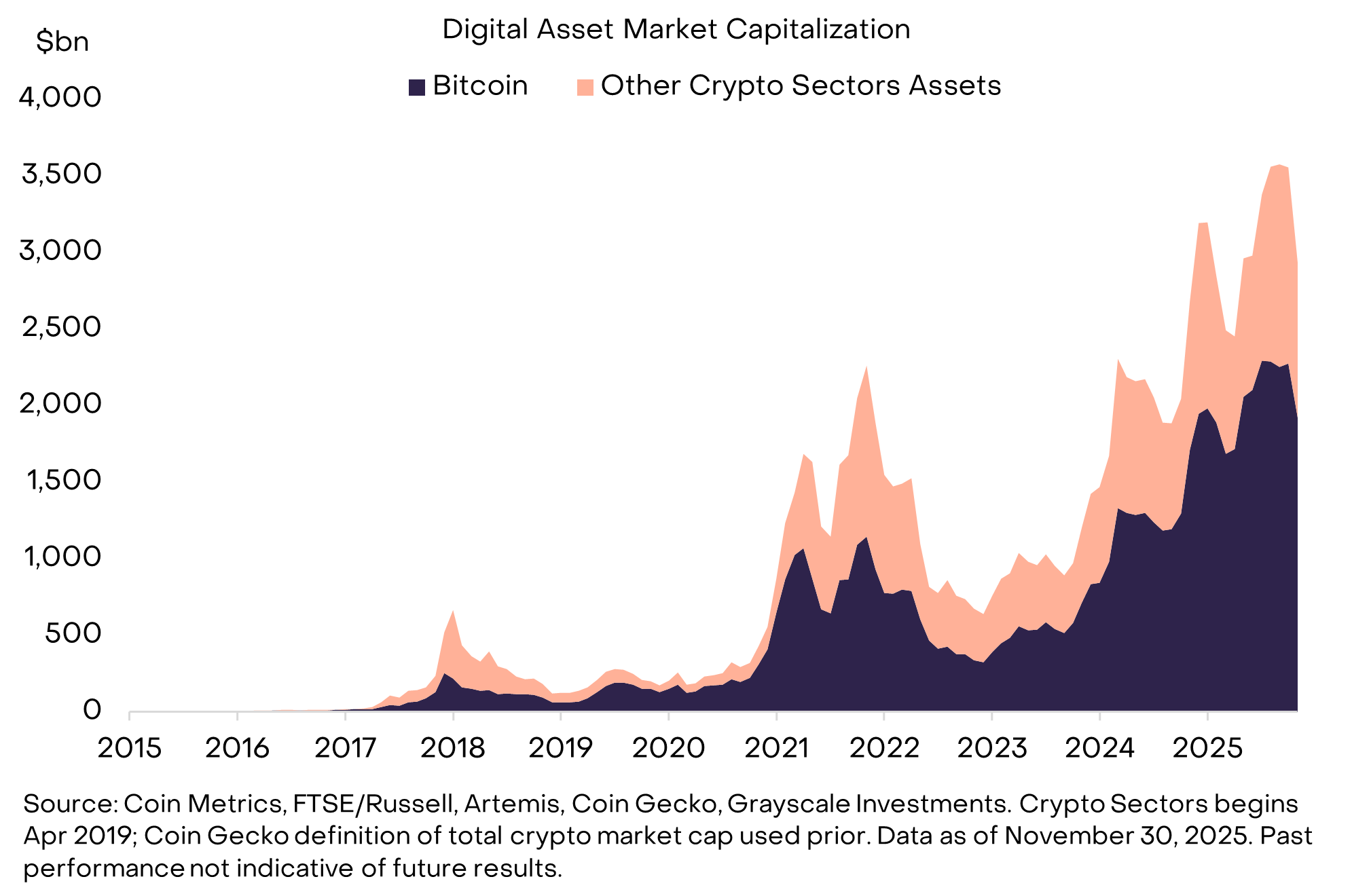
Before moving capital, define your liquidity horizon. Institutional treasuries require a mix of high-quality liquid assets (HQLA) and yield-generating positions. If you need immediate access to cash for payroll or debt service, prioritize stablecoins or short-term Treasury bills (T-bills) tokenized on regulated chains. For long-term holdings, Bitcoin (BTC) and Ethereum (ETH) remain the primary stores of value, but they require careful position sizing to avoid volatility shocks.
Not all chains are created equal for institutional use. Ethereum remains the dominant settlement layer for large-scale tokenized assets due to its security and institutional adoption. However, for high-frequency trading or lower-cost stablecoin transfers, consider Layer 2 solutions like Arbitrum or Optimism, or specialized chains like Solana (SOL) for speed. Evaluate each chain based on transaction costs, finality time, and the availability of institutional-grade custodians. The Canton Network, for example, offers a neutral settlement layer for private tokenized assets, which may suit complex corporate structures.
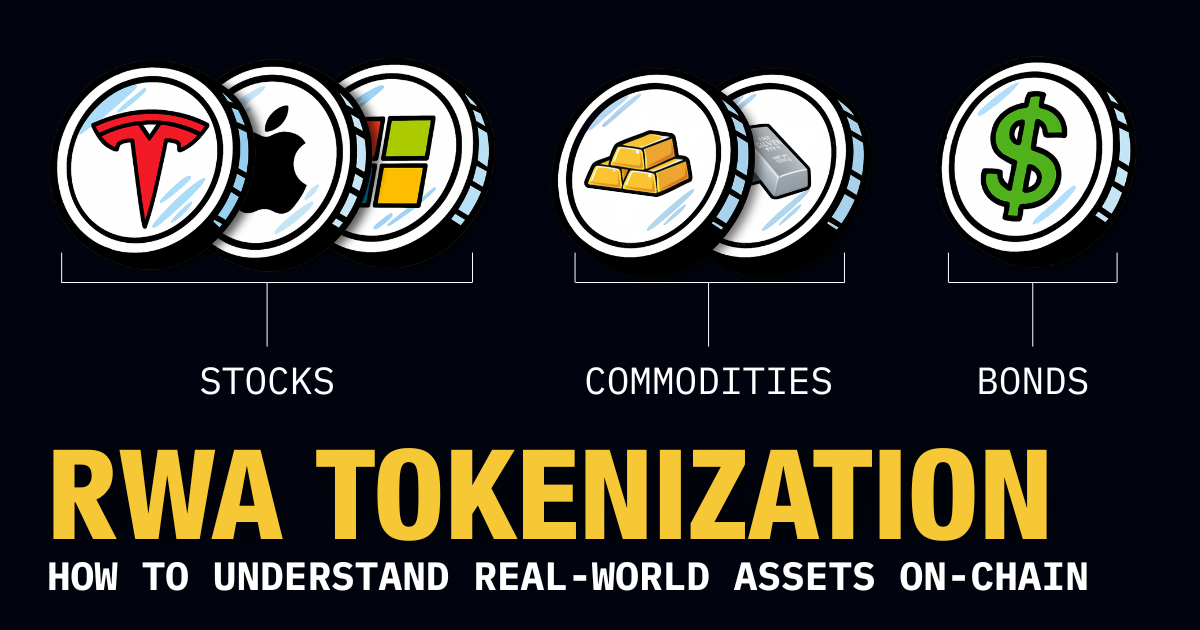
Idle capital is a liability. Once your liquidity needs are met, deploy surplus funds into yield-generating strategies. This includes staking ETH for native yields, providing liquidity to reputable decentralized finance (DeFi) protocols with insurance coverage, or investing in Real World Assets (RWAs) like tokenized T-bills. Always prioritize capital preservation over high yields. Look for protocols with audited smart contracts, transparent reserve proofs, and insurance funds to mitigate smart contract risk.

Compliance is non-negotiable for institutional treasuries. Ensure your on-chain activities align with local regulations, including anti-money laundering (AML) and know-your-customer (KYC) requirements. Use regulated custodians for asset storage and choose stablecoins that are fully backed and issued by regulated financial institutions. Regularly audit your on-chain positions and maintain clear records of all transactions for tax and regulatory reporting. The American Banker’s On-Chain community provides ongoing updates on regulatory developments that could impact your strategy.
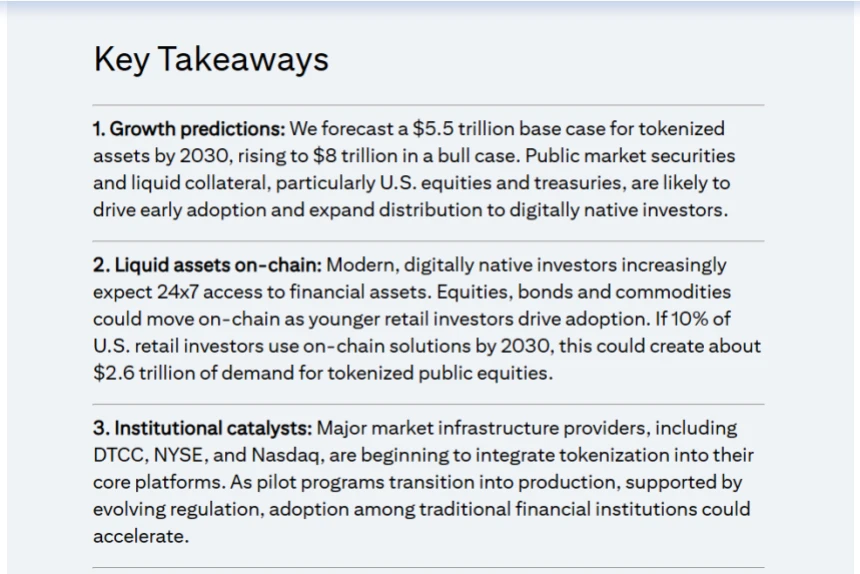
Market conditions change rapidly. Establish a quarterly review process to rebalance your treasury allocation. If Bitcoin’s price surges, it may become overweight relative to your target allocation, requiring you to sell some BTC and buy more stable assets. Conversely, during market downturns, you may have the opportunity to buy BTC at a discount. Use automated rebalancing tools where possible, but always retain human oversight for significant strategic shifts.
| Asset | Primary Role | Risk Level |
|---|---|---|
| Bitcoin (BTC) | Store of Value | High |
| Ethereum (ETH) | Settlement & Yield | Medium |
| Stablecoins (USDC) | Liquidity | Low |
| Tokenized T-Bills | Yield & Compliance | Low |
Avoid Common On-Chain Treasury Mistakes
Institutional treasuries face unique risks when moving assets on-chain. While Bitcoin (BTC) and Solana (SOL) offer liquidity, structural errors can erode value faster than market volatility. The following pitfalls are common in 2026 and worth avoiding.
Misjudging Stablecoin Risk
Many institutions treat all stablecoins as equal cash equivalents. This is a critical error. Algorithmic or poorly capitalized stablecoins carry de-pegging risks that traditional cash does not. Focus on fully reserved, audited issuers. Diversify across multiple issuers rather than concentrating exposure in a single protocol. The goal is liquidity safety, not yield chasing.
Overlooking Smart Contract Vulnerabilities
On-chain assets are subject to code exploits. Unlike traditional bank accounts, there is no deposit insurance. Before deploying treasury funds, conduct rigorous smart contract audits. Use multi-signature wallets with time-locks for large transfers. This adds a necessary layer of human oversight to prevent unauthorized transactions or accidental exploits.
Ignoring Tax Implications
Every on-chain transaction is a taxable event in many jurisdictions. Frequent rebalancing or staking rewards can create complex tax liabilities. Traditional accounting software often fails to track these nuances. Implement specialized crypto-tax tracking tools from day one. Mismanagement here can lead to significant penalties that outweigh any on-chain yield benefits.
On-chain treasury 2026: what to check next
Before moving capital on-chain, treasury teams need to resolve specific operational and compliance hurdles. The following addresses the most common practical objections raised by institutional finance leaders in 2026.
No comments yet. Be the first to share your thoughts!