On-chain treasuries 2026 limits to account for
Why is the Year of Institutional On-Chain Treasuries works best as a clear sequence: define the constraint, compare the realistic options, test the tradeoff, and choose the path with the fewest hidden costs. That order keeps the advice usable instead of decorative. After each step, pause long enough to check whether the recommendation still fits the reader's actual situation. If it depends on perfect timing, unusual access, or a best-case budget, include a simpler fallback.
The simplest way to use this section is to write down the real constraint first, compare each option against it, and choose the path that still works outside ideal conditions.
On-chain treasuries 2026 choices that change the plan
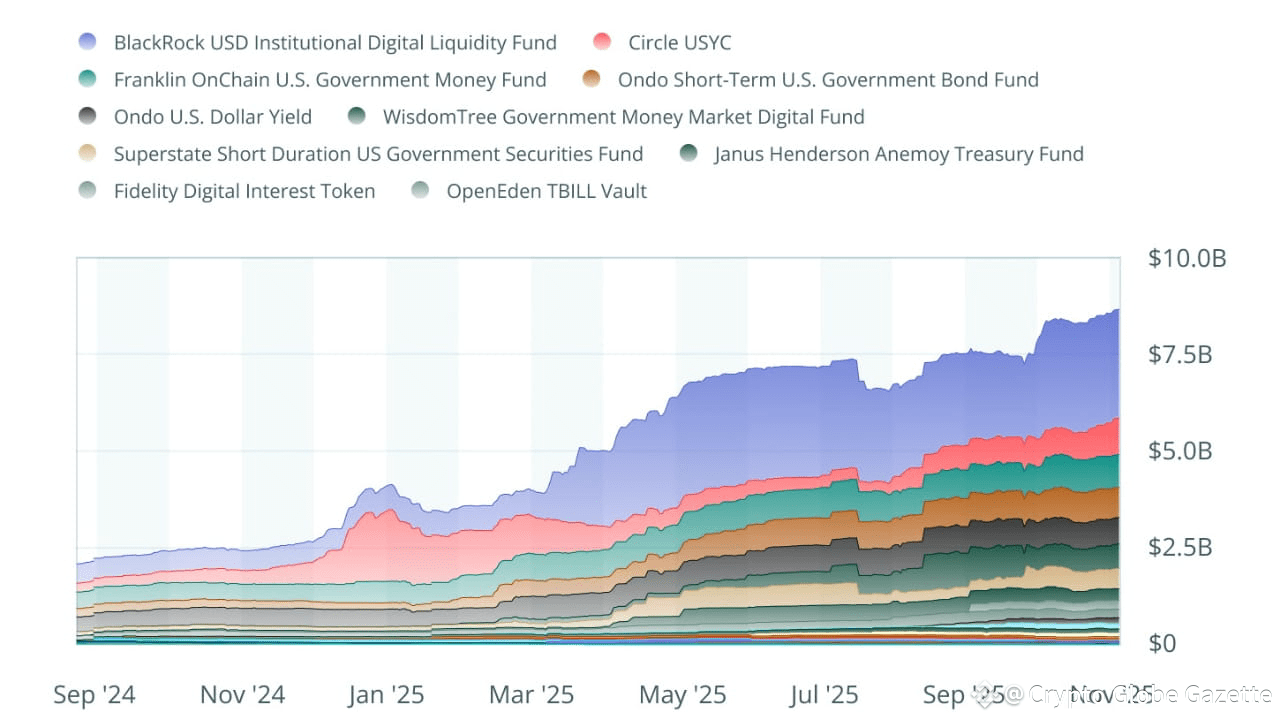
Moving treasury reserves onto a blockchain in 2026 is no longer a theoretical experiment; it is a structural shift driven by a $10 trillion maturity wall of traditional debt. As CFOs navigate this transition, the decision hinges on balancing the liquidity and automation benefits of tokenized assets against the regulatory and operational risks of distributed ledger technology. The market cap of tokenized Treasuries currently sits around $4.79 billion, reflecting a maturing but still selective institutional adoption curve. Understanding the specific tradeoffs of each approach is essential for determining how much exposure to digital assets is appropriate for your balance sheet.
Liquidity vs. Settlement Finality
The primary advantage of on-chain treasuries is the reduction of settlement time from T+1 to near-instantaneous finality. Traditional treasury bills offer high-quality liquid assets, but their transfer between institutions often involves multiple intermediaries and reconciliation steps. On-chain solutions, such as those provided by Canton Network or RWA.xyz, allow these assets to be held, traded, and exchanged on a blockchain without breaking the underlying legal claim to the US government debt. This creates a new layer of liquidity where funds can be deployed into yield-generating strategies or used as collateral in real-time, rather than sitting idle in custodial accounts. However, this speed comes with the risk of smart contract vulnerabilities, requiring rigorous audit standards that traditional banking does not typically demand.
Regulatory Compliance vs. Open Access
Tokenized US treasury bills allow for wider access to government debt, but they also introduce complex compliance layers. While traditional bonds are accessible primarily to accredited investors and large institutions, tokenization can theoretically democratize access. For a corporate treasury, the tradeoff lies in managing Know Your Customer (KYC) and Anti-Money Laundering (AML) requirements across a decentralized network. Some platforms restrict transfers to whitelisted addresses, ensuring regulatory compliance but reducing the open liquidity found in DeFi protocols. CFOs must evaluate whether their treasury policy allows for permissioned liquidity or if they require the open, global market that public blockchains offer. The current market data shows a 7-day APY of approximately 3.15% on major RWA dashboards, a yield that is competitive but must be weighed against the compliance overhead of maintaining on-chain identity.
Custodial Control vs. Smart Contract Risk
In a traditional setup, treasury assets are held by approved custodians with clear legal recourse. On-chain, the asset is represented by a token, and control is managed through private keys or multi-signature wallets. This shift gives the treasury direct ownership of the asset, eliminating counterparty risk from the custodian, but introduces smart contract risk. If the protocol governing the tokenized treasury is exploited, the underlying US debt may be inaccessible. Therefore, the tradeoff is between the operational risk of digital custody and the systemic risk of traditional intermediaries. Many institutions are opting for hybrid models, where the legal claim to the treasury remains with a regulated entity, while the token is used for operational efficiency. This approach mitigates the worst of both worlds but requires sophisticated legal structuring to ensure the token is recognized as a valid claim on the underlying asset.
| Factor | Traditional Treasury | On-Chain Treasury | Risk Profile |
|---|---|---|---|
| Settlement Time | T+1 | Near-instant | Medium |
| Liquidity Access | Institutional only | Global/Permissioned | Low |
| Custody | Third-party custodian | Self-custody/Smart contract | High |
| Regulatory Clarity | Established | Evolving | Medium |
| Yield Potential | Market rate | Market rate + DeFi yield | Variable |
Choose the next step
Why is the Year of Institutional On-Chain Treasuries works best as a clear sequence: define the constraint, compare the realistic options, test the tradeoff, and choose the path with the fewest hidden costs. That order keeps the advice usable instead of decorative. After each step, pause long enough to check whether the recommendation still fits the reader's actual situation. If it depends on perfect timing, unusual access, or a best-case budget, include a simpler fallback.

Avoid the weak options
The easiest mistake with Why is the Year of Institutional On-Chain Treasuries is comparing options on the most visible detail while ignoring the day-to-day constraint. A choice can look strong on paper and still fail because it is too hard to maintain, too expensive to repeat, or awkward in the actual setting. Use the same checklist for every option: fit, cost, durability, timing, upkeep, and fallback plan. That keeps the comparison practical instead of drifting into preference alone.
The simplest way to use this section is to write down the real constraint first, compare each option against it, and choose the path that still works outside ideal conditions.
No comments yet. Be the first to share your thoughts!