
How on-chain treasuries work in 2026
On-chain corporate treasuries represent a structural shift from legacy settlement cycles to real-time, programmable cash management. By leveraging distributed ledger technology (DLT) and tokenized real-world assets (RWAs), finance teams can move beyond the traditional T+2 settlement model. This transition replaces opaque intermediaries with transparent, automated smart contracts that execute transactions with near-instant finality.
The core mechanism involves tokenizing assets such as U.S. Treasury bills or commercial paper. These digital tokens represent ownership of the underlying asset and can be held in corporate digital wallets. Unlike traditional bank deposits, which are static until manually transferred, tokenized RWAs are liquid by design. They can be swapped, lent, or used as collateral within decentralized finance (DeFi) protocols or private institutional networks, all while maintaining compliance with regulatory standards.
This architecture enables "instant liquidity." A corporation holding tokenized treasuries can access cash or yield-bearing opportunities in seconds rather than days. The settlement occurs on-chain, providing an immutable audit trail that simplifies reconciliation and reporting. For modern treasury departments, this means capital is no longer trapped in settlement lag but is actively deployed to generate yield across both traditional and digital markets.
Top on-chain treasury platforms
Selecting the right platform for on-chain treasury management requires balancing settlement efficiency with strict compliance standards. Corporate treasurers must prioritize custodial security and regulatory reporting over speculative yield. The following platforms have established themselves as leaders in providing institutional-grade access to tokenized assets and stablecoin yield strategies.
Eco
Eco provides a streamlined interface for holding tokenized money market funds directly on-chain. This platform allows corporations to access front-end yields that track short-dated US Treasury rates, typically ranging between 4.0% and 4.5% as observed in early 2026. The primary advantage for corporate finance teams is the reduction in counterparty risk compared to traditional banking structures, while maintaining the liquidity required for daily operations. Eco’s infrastructure is designed to handle the compliance checks necessary for institutional participation, ensuring that holdings are auditable and secure.
Securitize
Securitize operates as a leading digital securities transfer agent, enabling the issuance and management of tokenized real-world assets (RWAs). Their platform integrates with major asset managers like VanEck to make tokenized Treasury funds available as on-chain collateral. This capability is critical for treasurers looking to leverage their cash positions for other corporate activities without liquidating assets. By providing a regulated bridge between traditional finance and blockchain networks, Securitize ensures that the underlying assets remain compliant with securities laws. This makes them a preferred choice for large-cap corporations with significant balance sheet requirements.
Euler
Euler has emerged as a key infrastructure provider for on-chain finance, particularly in the realm of lending and borrowing secured by tokenized assets. Their protocol allows corporations to use tokenized Treasuries as collateral to access liquidity, effectively unlocking value without selling the underlying asset. This approach supports sophisticated treasury strategies that require flexibility and capital efficiency. Euler’s focus on robust risk management and protocol security ensures that corporate funds are protected against the volatility often associated with decentralized finance environments.
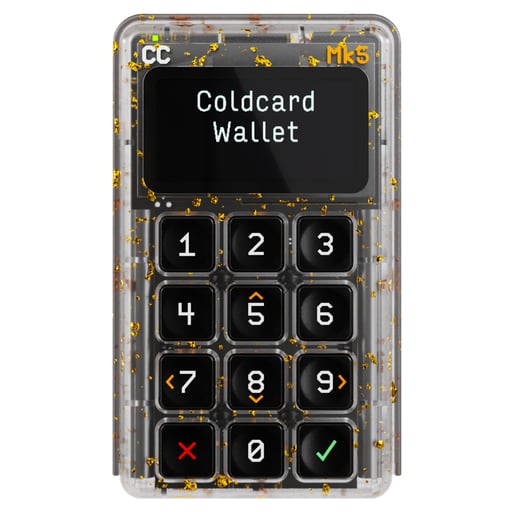
For treasurers implementing these strategies, securing the private keys and managing access controls is paramount. While the platforms above handle the asset layer, the physical security of the keys often requires specialized hardware. The following tools are commonly used by corporate finance teams to safeguard the digital assets managed through these on-chain treasuries.


As an Amazon Associate, we may earn from qualifying purchases.
Yield Sources and Risk Controls
Corporate treasuries deploying capital on-chain prioritize capital preservation and settlement efficiency over speculative gains. The primary yield engines are tokenized US Treasuries and Money Market Funds (MMFs), which provide exposure to short-dated government debt. These instruments offer front-end yields that closely track traditional market rates, typically ranging between 3.15% and 4.5% in early 2026, depending on the specific fund structure and underlying asset duration.
Risk management in this sector relies heavily on transparent verification mechanisms. Unlike opaque traditional banking reserves, on-chain treasuries utilize Proof of Reserve (PoR) protocols to verify asset backing. This allows corporate auditors to confirm that token liabilities are fully backed by real-world assets held in custodial accounts, ensuring liquidity can be redeemed on-demand.
The following comparison outlines the primary yield sources available to corporate treasuries, highlighting their risk profiles and expected returns.
| Yield Source | Primary Risk | Expected APY | Settlement |
|---|---|---|---|
| Tokenized T-Bills | Interest Rate | 3.15% - 4.5% | Daily |
| Tokenized MMFs | Credit/Counterparty | 4.0% - 4.5% | Instant |
| Stablecoin Lending | Smart Contract | Variable | Conditional |
Compliance and custody requirements
Corporate adoption of on-chain treasuries hinges on institutional-grade custody and strict regulatory alignment. Traditional finance operates within a framework of established risk controls, and digital asset integration must mirror these standards to gain board approval. The primary concern for treasurers is not just yield, but the security of the underlying settlement infrastructure.
Custody solutions have evolved from simple key management to multi-party computation (MPC) and hardware security modules (HSMs) that meet SOC 1 and SOC 2 Type II standards. These protocols ensure that private keys are never exposed in plaintext, effectively mitigating the counterparty risk associated with centralized exchanges. Platforms like Fireblocks and Copper now serve as the digital equivalent of prime brokerage, offering segregated, insured storage that satisfies internal audit requirements.
On the regulatory front, Know Your Customer (KYC) and Anti-Money Laundering (AML) compliance are non-negotiable. Modern treasury platforms integrate directly with identity verification providers to ensure that all transaction participants are vetted. This integration allows corporations to maintain a clear audit trail, satisfying both domestic regulators and international standards for transaction monitoring. Without this layered compliance infrastructure, the liquidity management benefits of tokenized assets remain inaccessible to large-scale institutional capital.
Implementing on-chain treasury strategy
Use this section to make the On-Chain Treasuries decision easier to compare in real life, not just on paper. Start with the reader's actual constraint, then separate must-have requirements from details that are merely nice to have. A practical choice should survive normal use, maintenance, timing, and budget. If a recommendation only works in an ideal situation, call that out plainly and give the reader a fallback path.
-
Verify the basicsConfirm the core specs, condition, and fit before comparing extras.
-
Price the downsideLook for the repair, maintenance, or replacement cost that would change the decision.
-
Compare alternativesCheck at least two comparable options before treating one listing as the benchmark.
No comments yet. Be the first to share your thoughts!