
The on-chain treasury limits to account for
Moving corporate reserves onto a blockchain solves the speed problem, but it introduces a liquidity mismatch that traditional finance never had to manage. In the on-chain world, capital is either idle or exposed. A stablecoin sitting in a smart contract wallet yields nothing. The same capital deployed into a tokenized U.S. Treasury or a yield-bearing money market fund is locked in a protocol, subject to smart contract risk and sometimes illiquid secondary markets.
This is the core constraint for treasurers in 2026: you cannot simply "tokenize" a balance sheet. You have to choose between custody and yield, and that choice dictates your entire operational risk profile. Traditional treasury management relies on a hierarchy of liquidity, often anchored by On-The-Run (OTR) bonds—the most recently issued Treasury securities of a specific maturity. These OTR bonds are actively traded and offer the highest liquidity, serving as the bedrock of the system. On-chain, that depth of liquidity rarely exists for tokenized equivalents. You are often trading in thinner markets where a large corporate sale could slip the price significantly.
The tradeoff is stark. Off-chain, you hold the bond and earn yield, but you cannot use it for instant settlement. On-chain, you can use the token as collateral for a loan or swap it instantly, but you are exposed to the protocol that holds the underlying asset. If that protocol fails, your corporate reserve is gone. This is why the most successful on-chain treasuries are not fully automated. They are hybrid systems that keep a portion of reserves in traditional, highly liquid OTR bonds for stability, while using on-chain assets for operational efficiency. The goal is not to replace the traditional system, but to layer the speed of blockchain on top of the depth of the traditional bond market.
On-chain treasury choices that change the plan
Moving corporate reserves to blockchain networks offers speed and programmability, but it introduces distinct operational risks that traditional custodians mitigate through established infrastructure. When evaluating on-chain treasuries, you must weigh liquidity depth, counterparty exposure, and regulatory clarity against the promise of 24/7 settlement. The following factors define the practical reality of managing digital assets today.
Liquidity and market depth
Tokenized treasuries, such as those issued by platforms like RWA.xyz or Backed Finance, often track On-The-Run (OTR) bonds—the most recently issued Treasury securities of a specific maturity. These OTR bonds offer the highest liquidity in traditional markets, but their on-chain representations can suffer from thinner order books during periods of market stress. Unlike cash in a bank account, exiting a large position on-chain may require significant slippage if the pool lacks sufficient depth. You must verify that the tokenized asset has enough daily volume to support your treasury size without moving the price.
Counterparty and custodial risk
On-chain assets are not risk-free. While the underlying U.S. Treasury bond is backed by the government, the token itself is a claim on a custodian or issuer. If the entity holding the underlying collateral defaults or faces regulatory action, the token may become unbacked or frozen. Traditional treasury management relies on FDIC insurance or prime brokerage guarantees; on-chain, you are exposed to smart contract bugs, oracle failures, and the solvency of the issuing protocol. Always audit the legal structure of the token issuer and the segregation of assets.
Regulatory and tax clarity
The regulatory landscape for on-chain treasuries is still evolving. While the SEC and other bodies are clarifying rules for tokenized securities, the tax treatment of automated yield distribution or cross-chain transfers remains ambiguous in many jurisdictions. Unlike traditional bonds where interest accrual is straightforward, on-chain yield may be distributed via complex mechanisms that complicate tax reporting. Ensure your legal counsel understands how the specific tokenization structure is classified in your operating regions to avoid unexpected liabilities.
Settlement finality and speed
One of the primary advantages of on-chain treasuries is near-instant settlement. Traditional bond trades can take T+1 or T+2 days to settle, tying up capital and increasing counterparty risk during the settlement window. On-chain, finality is often immediate or within seconds, depending on the blockchain. This speed allows for more efficient capital utilization, such as using treasury assets as collateral for other financial operations in real-time. However, this speed also means errors are irreversible; there is no "undo" button for a mistaken transfer.
| Factor | Traditional Treasury | On-Chain Treasury | Risk Profile |
|---|---|---|---|
| Settlement | T+1 to T+2 | Seconds to minutes | High (on-chain) |
| Liquidity | Deep (OTR bonds) | Variable (pool dependent) | Medium |
| Counterparty | Prime Broker/Custodian | Protocol/Custodian | High (on-chain) |
| Regulatory | Established | Evolving | High (on-chain) |
The choice between traditional and on-chain treasuries is not binary. Many corporations adopt a hybrid approach, keeping core reserves in traditional instruments for stability while using on-chain tokens for specific operational efficiencies. The key is understanding where the tradeoffs align with your risk tolerance and operational needs.
Choose the next step
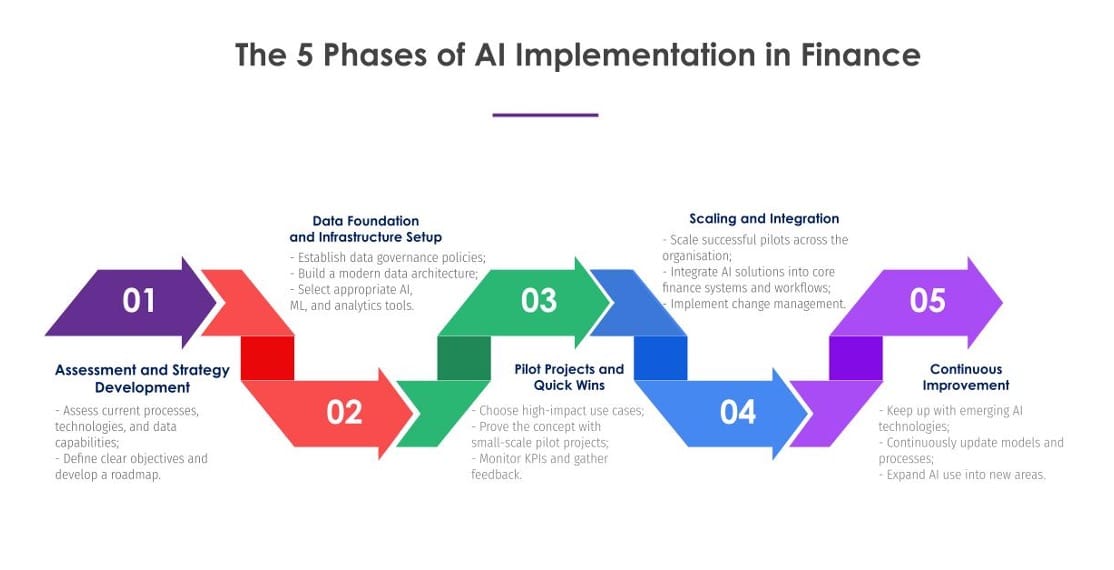
How AI-Driven On-Chain Treasury Management is Redefining Corporate Reserves works best as a clear sequence: define the constraint, compare the realistic options, test the tradeoff, and choose the path with the fewest hidden costs. That order keeps the advice usable instead of decorative. After each step, pause long enough to check whether the recommendation still fits the reader's actual situation. If it depends on perfect timing, unusual access, or a best-case budget, include a simpler fallback.

Spotting Weak On-Chain Treasury Options
AI-driven treasury management promises efficiency, but many platforms mask operational risks behind slick dashboards. Before committing corporate reserves, audit the underlying infrastructure for three common failures.
Opaque Custody Structures
Many solutions claim "self-custody" while relying on multi-sig wallets controlled by the platform’s own operators. This creates a single point of failure. Verify if the private keys are truly held by your organization or if the AI tool merely suggests transactions that require internal approval. True autonomy requires your team to hold the keys, not the software vendor.
Ignoring On-The-Run (OTR) Liquidity
Treasury AI often aggregates yield from tokenized Treasury bills without distinguishing between On-The-Run (OTR) and Off-The-Run (OTR) securities. OTR bonds are the most recently issued Treasury securities of a specific maturity, offering the highest liquidity and tightest spreads. Tokenized versions of older, less liquid bonds may appear in the AI’s yield calculations but cannot be quickly sold during market stress. Check if the AI prioritizes OTR assets or bundles illiquid legacy bonds into the same pool.
Hidden Counterparty Risk in Repo Trades
Automated repo trading can generate alpha, but it introduces counterparty exposure. If the AI executes cross-border repo trades through unverified digital asset protocols, a protocol failure could freeze collateral. Ensure the platform uses audited, institutional-grade counterparties for repo settlements rather than relying solely on smart contract logic. The ValueExchange report highlights that live cross-border repo trades are still emerging, meaning regulatory and settlement risks remain unresolved for many corporate treasuries.
No comments yet. Be the first to share your thoughts!