Defining on-chain treasuries in 2026
An on-chain treasury is a corporate balance sheet where cash and reserve assets are held as digital tokens on a public blockchain rather than in traditional bank accounts. This shift moves treasury management from the opaque, multi-day settlement cycles of legacy banking into real-time, programmable finance. The core distinction lies in the asset type: while many firms hold volatile cryptocurrencies, a true on-chain treasury focuses on tokenized real-world assets (RWAs) like U.S. Treasury bills.
Tokenized treasuries are digital representations of U.S. government bonds that combine the "risk-free" yield of traditional fixed-income instruments with the liquidity and transparency of blockchain technology. By holding these tokens, companies can access yield on idle cash without sacrificing the auditability and speed that digital ledgers provide. This structure allows corporations to treat their treasury operations as a live, data-rich interface rather than a static ledger entry.
The operational advantage is immediate visibility and control. Because all transactions are recorded on the blockchain, on-chain treasuries provide a level of decentralization and transparency that traditional custodial accounts cannot match. This transparency reduces reconciliation overhead and enables automated compliance checks, making it easier for finance teams to monitor liquidity positions across multiple jurisdictions in real time.
Integrating these assets allows enterprises to connect their treasury functions directly to decentralized finance (DeFi) protocols. This connectivity transforms idle cash into productive capital that can be used for lending, liquidity provision, or collateralization, all while maintaining the safety profile of government-backed securities. As 2026 progresses, this model is becoming the standard for forward-looking corporations seeking to optimize working capital in a digital-first economy.
Major rwa tokenization platforms
The on-chain treasury landscape is defined by a handful of platforms that have established the necessary infrastructure for institutional-grade asset issuance. These platforms bridge traditional fixed income with decentralized finance, allowing treasuries to hold yield-bearing assets directly on the blockchain. The following overview highlights the leading players based on asset scope, yield mechanisms, and primary blockchain integration.
RWA.xyz
RWA.xyz operates as a comprehensive marketplace and infrastructure layer for tokenized real-world assets. It aggregates liquidity from multiple issuers, providing a centralized view of the tokenized treasury market. The platform currently distributes approximately $14.86 billion in tokenized U.S. government debt, including Treasury bills, notes, and bonds. By standardizing the onboarding process, RWA.xyz allows treasuries to access a broad spectrum of government debt instruments without managing individual issuer relationships.
Backed Finance
Backed Finance distinguishes itself by issuing ERC-20 tokens that track the performance of traditional financial instruments, including stocks and bonds. Their model relies on a 1:1 backing mechanism, where each token is fully collateralized by the underlying asset held in reserve. This structure provides a robust on-chain treasury management solution for entities seeking exposure to fixed income or equity markets without leaving the blockchain. The platform emphasizes regulatory compliance and transparency, ensuring that the on-chain representation accurately mirrors the off-chain asset.
Keyrock
Keyrock focuses on the utility and integration aspects of tokenized treasuries. Rather than just issuing assets, Keyrock emphasizes how these tokens can be used within broader DeFi ecosystems. Their approach enables permissionless on-chain utility, allowing tokenized treasuries to serve as collateral for stablecoins or to participate in lending protocols. This integration is critical for treasuries looking to maximize the efficiency of their capital by utilizing idle treasury assets across multiple financial applications.
Platform Comparison
The table below compares these platforms based on their primary asset offerings, yield mechanisms, and blockchain integration strategies.
| Platform | Primary Asset Type | Yield Mechanism | Integration Focus |
|---|---|---|---|
| RWA.xyz | U.S. Treasuries (Bills, Notes, Bonds) | Direct debt interest | Marketplace aggregation |
| Backed Finance | Tokenized Stocks & Bonds | 1:1 collateral backing | ERC-20 token issuance |
| Keyrock | Tokenized Treasuries | DeFi collateral utility | Permissionless DeFi integration |
Yield mechanics and liquidity benefits
Tokenized Treasuries shift corporate treasury management from a batch-processed, T+1 settlement model to a continuous, on-chain ledger. This structural change unlocks two distinct financial advantages: programmable yield distribution and 24/7 liquidity access. For corporate treasuries, this means capital is no longer idle between settlement windows but remains productive and accessible at any time.
Programmable yield distribution
Traditional bond coupons require manual processing or reliance on custodial banks, creating administrative overhead and settlement delays. On-chain, yield is programmable. Smart contracts can automatically distribute coupon payments to treasury wallets or trigger reinvestment strategies the moment a payment occurs. This reduces operational friction and ensures that yield accrual is transparent and immediate, aligning with the real-time nature of modern digital finance.
24/7 liquidity access
While traditional Treasury markets operate within strict banking hours, on-chain assets trade continuously. This allows treasuries to manage cash flow needs instantly, without waiting for market opens. This continuous liquidity reduces the need for large, idle cash buffers, as assets can be liquidated or used as collateral at any hour.
Visualizing stability and yield
The stability of tokenized Treasuries is anchored in the underlying US government debt, but the on-chain wrapper adds a layer of market efficiency. The following chart illustrates the price stability of a representative RWA token, highlighting how on-chain treasuries maintain value parity with traditional benchmarks while offering superior accessibility.
Integrating real-world assets into corporate strategy
Treasury managers are moving from pilot projects to structural integration by treating on-chain assets as standard balance sheet instruments. This shift requires aligning blockchain operations with existing enterprise resource planning (ERP) systems and regulatory reporting frameworks. The goal is not to replace traditional banking but to layer on-chain liquidity on top of it, creating a hybrid treasury that leverages the speed of distributed ledger technology while maintaining strict audit trails.
1. Select a compliant institutional custodian
Security remains the primary barrier to entry. Treasury teams must partner with regulated custodians that offer multi-signature wallets and institutional-grade key management. Unlike self-custody solutions used by retail investors, institutional custody provides insurance coverage and legal recourse in the event of a breach. This step ensures that the underlying tokenized assets, such as US Treasury bills or commercial paper, are backed by verified collateral held in segregated accounts.
2. Map regulatory and accounting treatments
Before executing trades, finance leaders must define how on-chain assets appear on the balance sheet. In the United States, the Financial Accounting Standards Board (FASB) has updated rules to allow fair value measurement for many crypto assets, reducing the volatility seen in historical reporting. Teams should consult legal counsel to determine if tokenized bonds qualify as money market instruments or securities, ensuring compliance with local jurisdictional requirements and anti-money laundering (AML) standards.
3. Integrate with enterprise treasury systems
Transparency is a core benefit of on-chain treasuries, but only if the data flows into existing dashboards. Treasury management systems (TMS) like Kyriba or specialized platforms like Canton Network are beginning to offer direct APIs that pull real-time blockchain data. This integration allows treasurers to monitor liquidity positions across both traditional bank accounts and on-chain wallets in a single view, eliminating the need for manual reconciliation at the end of each day.
4. Establish operational workflows and controls
Adopting on-chain treasury requires new standard operating procedures (SOPs). This includes defining approval hierarchies for large on-chain transfers, setting up automated alerts for transaction limits, and conducting regular smart contract audits for any tokenized instruments used. Training finance staff on blockchain basics—such as gas fees, settlement finality, and wallet security—is essential to prevent operational errors that could lead to irreversible losses.
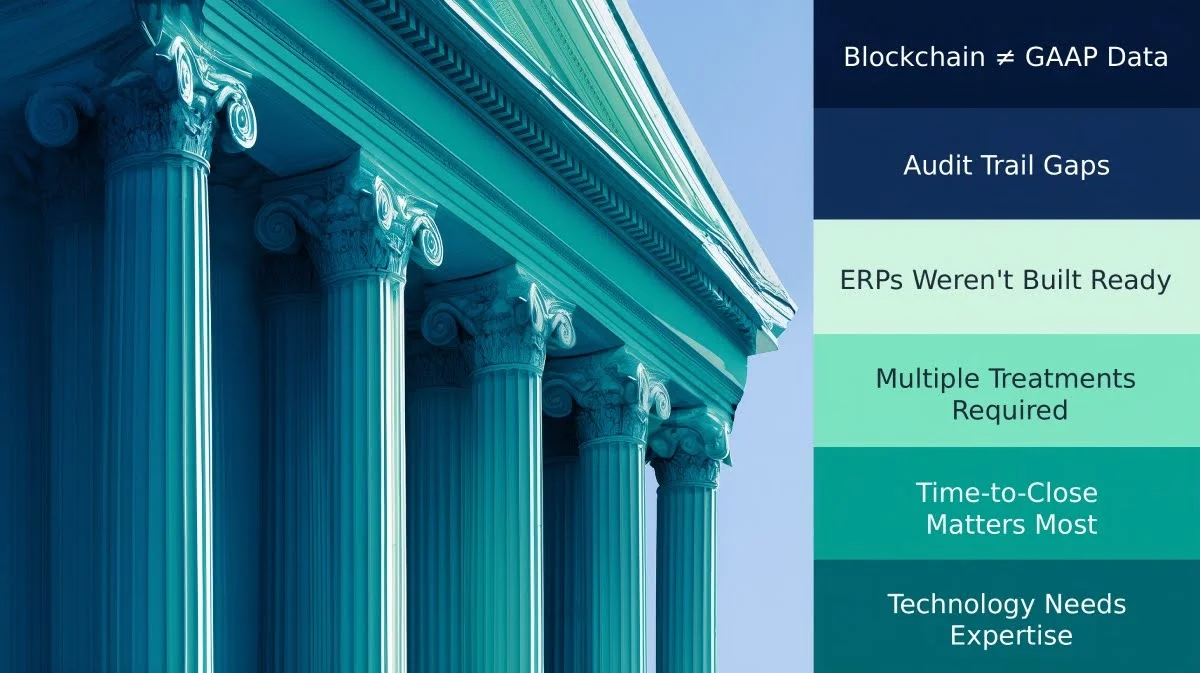
Before integrating any tokenized asset, verify that the underlying smart contracts have been audited by reputable firms like CertiK or OpenZeppelin. This step ensures that the code governing the asset’s transfer and ownership is free from vulnerabilities that could expose the corporate treasury to exploitation.
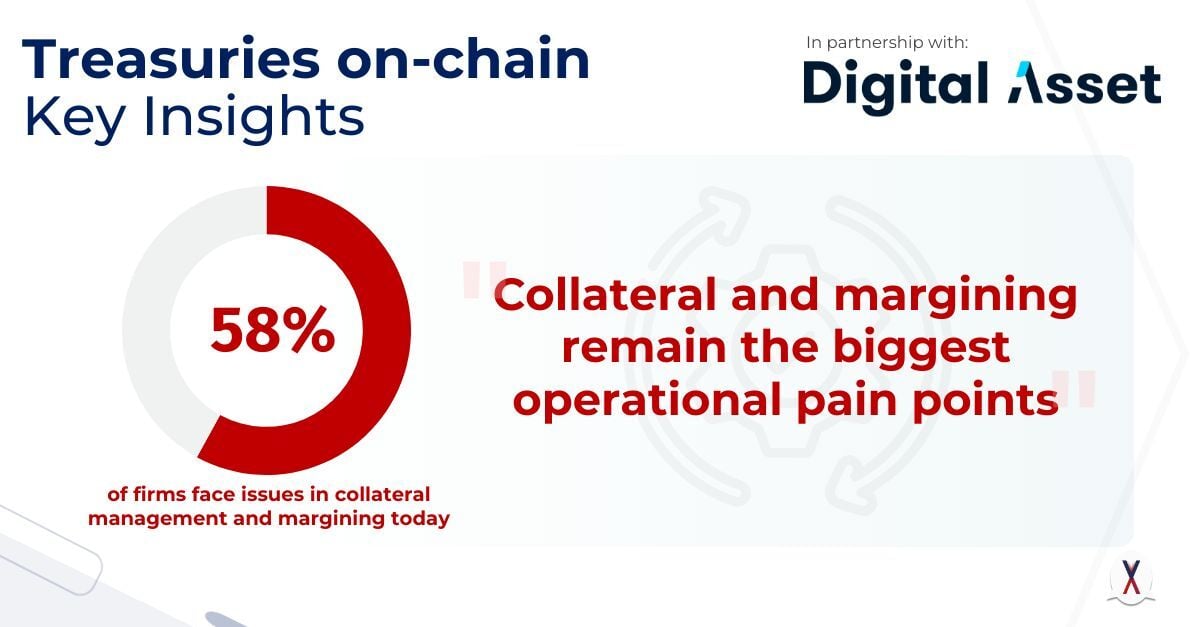
Begin with a small percentage of the treasury, such as 5-10%, allocated to tokenized US Treasury bills or highly liquid stablecoins. This allows the team to test settlement times, liquidity access, and reporting accuracy without exposing the majority of corporate funds to operational risk or market volatility during the initial learning curve.
Once the pilot phase demonstrates reliability and compliance, gradually increase the allocation to include more complex real-world assets like private credit or commercial real estate tokens. Continuous monitoring of gas fees, regulatory changes, and counterparty risks ensures the strategy remains efficient and legally sound as the portfolio grows.
The integration of real-world assets into corporate strategy is a gradual process that prioritizes security and compliance over speed. By following these steps, treasury managers can build a resilient on-chain infrastructure that complements traditional banking, offering greater transparency and access to global liquidity pools.
No comments yet. Be the first to share your thoughts!