On-chain treasuries 2026 limits to account for
The 2026 regulatory framework shifts on-chain treasuries from experimental liquidity tools to auditable compliance assets. The core constraint is no longer just technological settlement speed, but the legal certainty of holding tokenized U.S. Treasury bills, notes, and bonds within a regulated digital wallet. Institutions must now prove that their on-chain holdings meet the same reserve requirements as traditional custodial accounts.
This shift creates a direct comparison between legacy custodial models and native on-chain structures. Legacy systems offer familiar legal wrappers but suffer from slower settlement and opaque reserve proofs. On-chain treasuries, facilitated by platforms like RWA.xyz, provide real-time transparency and fractional ownership but require rigorous adherence to new digital asset reporting standards. The tradeoff is clear: speed and visibility versus established legal precedent.
For most institutions, the decision rests on the balance between operational efficiency and regulatory risk. The 2026 framework favors those who can demonstrate real-time reserve adequacy through on-chain verification. As shown in the technical chart below, market volatility remains a factor, but the regulatory structure is the primary driver of treasury allocation decisions.
On-chain treasuries 2026 choices that change the plan
Adapting to the 2026 regulatory framework requires choosing between speed, yield, and compliance. The landscape has shifted from experimental tokenization to regulated institutional deployment. Treasurers must evaluate how different asset structures interact with new reporting standards and liquidity constraints.
The choice often comes down to the underlying asset class: tokenized U.S. Treasuries, tokenized corporate bonds, or tokenized commercial real estate. Each offers distinct advantages for balance sheet management but carries unique regulatory burdens. Understanding these tradeoffs is critical for maintaining compliance while maximizing efficiency.
| Asset Class | Yield Profile | Liquidity | Regulatory Burden |
|---|---|---|---|
| Tokenized U.S. Treasuries | Low (Risk-Free) | High | Medium |
| Tokenized Corporate Bonds | Medium | Medium | High |
| Tokenized Real Estate | High | Low | Very High |
| Stablecoin Reserves | Variable | Very High | Low |
Tokenized U.S. Treasuries offer the highest liquidity and lowest compliance friction, making them ideal for day-to-day operational reserves. However, their yields are capped by risk-free rates. Tokenized corporate bonds provide higher yields but introduce credit risk and complex compliance requirements. Tokenized real estate offers the highest potential returns but suffers from low liquidity and heavy regulatory oversight.
Stablecoin reserves provide instant settlement and high liquidity but expose the treasury to counterparty risk and regulatory scrutiny regarding reserve backing. The decision should align with your organization’s risk tolerance and liquidity needs.
Choose the next step
How Institutional On-Chain Treasuries Are Adapting to the Regulatory Framework works best as a clear sequence: define the constraint, compare the realistic options, test the tradeoff, and choose the path with the fewest hidden costs. That order keeps the advice usable instead of decorative. After each step, pause long enough to check whether the recommendation still fits the reader's actual situation. If it depends on perfect timing, unusual access, or a best-case budget, include a simpler fallback.
Spotting Misleading Claims in On-Chain Treasury Strategies
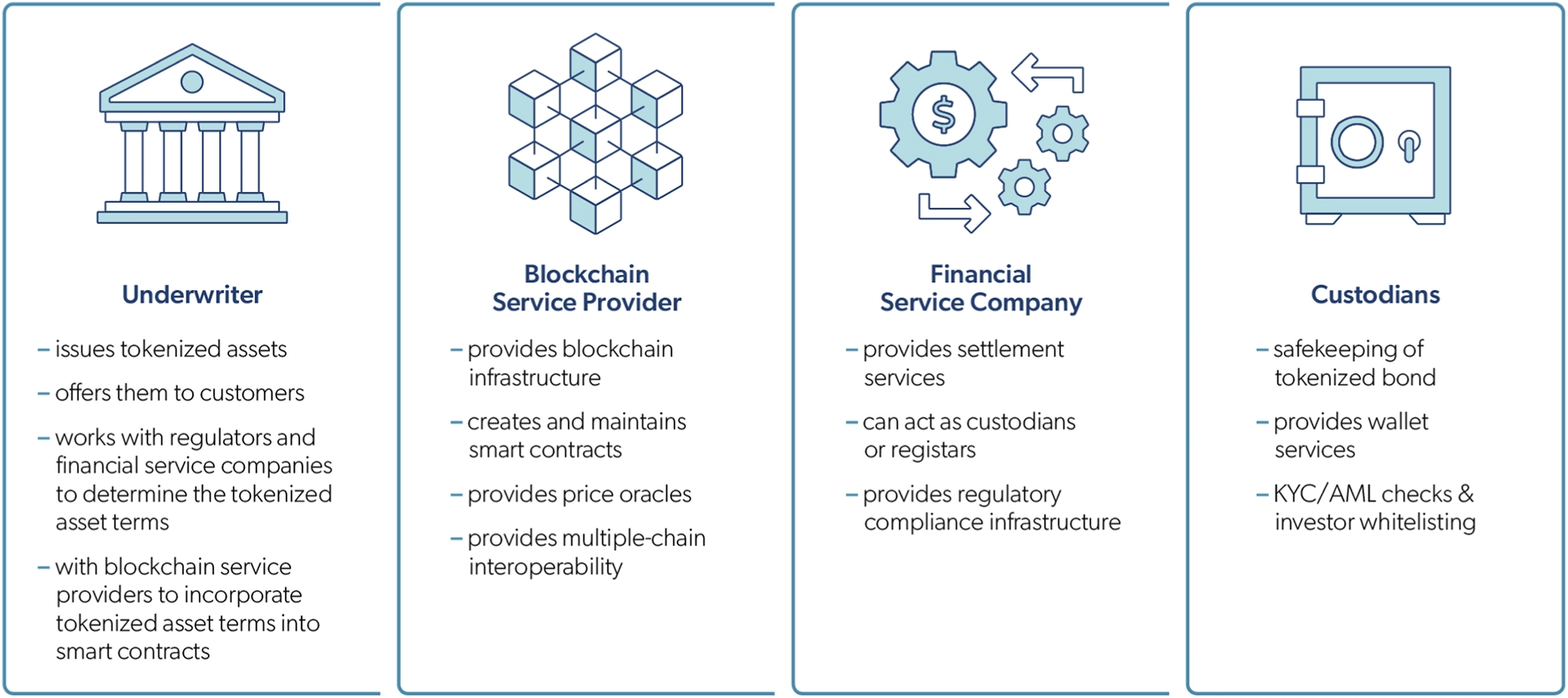
The 2026 regulatory framework has tightened the gap between marketing hype and operational reality. Many projects promise "instant liquidity" and "risk-free yield" for tokenized U.S. Treasuries, but these claims often ignore the structural risks of the bridge between traditional finance (TradFi) and blockchain. Before committing capital, you must verify the custody chain and the legal wrapper behind the token.
Common Weak Options and Mistakes
- Opaque Custody Structures: Many platforms claim institutional-grade custody without providing proof of segregated assets. Verify that the underlying Treasury bills are held in a bankruptcy-remote special purpose vehicle (SPV), not commingled with the platform’s operational funds.
- Regulatory Arbitrage: Some projects operate in regulatory gray zones, claiming compliance while bypassing key SEC or MiCA requirements. This creates sudden delisting risks if regulators enforce stricter rules on stablecoin or tokenized asset issuance.
- Liquidity Illusions: "Real-time" redemption often depends on the availability of secondary market buyers or a limited liquidity pool. In stress scenarios, these pools can dry up, leaving investors unable to exit at par value.
Decision Framework
| Feature | Strong Option | Weak Option |
|---|---|---|
| Custody | Segregated, audited SPV | Commingled platform wallet |
| Compliance | Full KYC/AML, SEC-registered | Anonymous, offshore entity |
| Redemption | Direct fiat settlement | Secondary market only |
Tradeoffs by Use Case
- For Corporate Treasuries: Prioritize legal certainty and audit trails over speed. The slight delay in settlement is worth the protection against regulatory seizure or platform insolvency.
- For Retail Investors: Focus on platforms with transparent reserve proofs and strong insurance coverage. Avoid high-yield promises that seem detached from actual Treasury rates.
The Bottom Line
Don’t let yield charts obscure the underlying risk. The most reliable on-chain treasuries are those that maintain a clear, auditable link to the underlying government debt, rather than those offering the most complex financial engineering. Always check the legal documentation, not just the dashboard.
No comments yet. Be the first to share your thoughts!