The 2026 corporate treasury limits to account for
Corporate treasurers in 2026 are navigating a landscape defined by persistent volatility and the accelerating integration of technology into daily liquidity management. The traditional reliance on static cash reserves is facing structural pressure as interest rate environments shift and payment rails evolve. According to JPMorgan’s 2026 Treasury Outlook, the second half of the year demands a more agile approach to capital allocation, moving beyond simple preservation toward active yield generation and risk mitigation.
This shift is not merely about adopting new tools but rethinking the fundamental role of cash in the corporate balance sheet. As Associated Bank notes, modern treasury strategies now prioritize AI-driven forecasting and automated payment systems to maintain visibility across global accounts. The constraint is clear: holding too much idle cash erodes value through inflation and opportunity costs, while holding too little exposes the firm to liquidity shocks.
The solution lies in diversifying reserve holdings with digital assets. Bitcoin and stablecoins offer a bridge between traditional banking infrastructure and the speed of modern commerce. By integrating these assets, treasurers can reduce settlement times from days to seconds and access 24/7 liquidity markets. This approach requires rigorous counterparty due diligence and robust internal controls, but the potential for improved working capital efficiency makes it a compelling strategy for forward-thinking organizations.
| Asset Class | Liquidity | Volatility | Primary Use Case |
|---|---|---|---|
| Traditional Cash | High | Low | Operational expenses |
| Bitcoin | Medium | High | Store of value |
| Stablecoins | High | Low | Cross-border payments |
Corporate treasury management 2026 choices that change the plan
Treasurers are entering the second half of 2026 not looking for dramatic recovery, but for stability amid persistent volatility. The shift from cash to Bitcoin and stablecoins is no longer experimental; it is a direct response to the erosion of fiat purchasing power and the inefficiencies of traditional cross-border settlements. However, this transition introduces new variables in liquidity, compliance, and risk management that must be weighed carefully.
When evaluating where to hold reserves, you must look beyond yield. The decision rests on three concrete factors: capital preservation, settlement speed, and regulatory clarity. Cash offers safety but loses value to inflation. Stablecoins offer speed and low fees but carry counterparty and regulatory risks. Bitcoin offers long-term appreciation potential but introduces extreme volatility into a balance sheet that demands predictability.
The following comparison breaks down these tradeoffs to help you align your treasury strategy with your company’s risk tolerance and operational needs.
| Factor | Cash Reserves | Stablecoins | Bitcoin |
|---|---|---|---|
| Volatility | Low | Low | High |
| Settlement Speed | T+1 to T+2 | Near-instant | 10-60 minutes |
| Regulatory Clarity | High | Medium | Low |
| Yield Potential | Low | Low-Medium | High |
| Counterparty Risk | Medium | High | Low |
For many corporations, the solution is not an all-or-nothing choice. A hybrid approach often makes the most sense: holding stablecoins for daily operational liquidity and Bitcoin as a long-term treasury reserve asset, while keeping a smaller cash buffer for immediate regulatory compliance needs. This structure balances the need for speed and yield with the necessity of stability and legal certainty.
Before allocating significant capital, consult with legal and compliance teams to ensure your jurisdiction accepts these assets as valid treasury holdings. The regulatory landscape is evolving rapidly, and what is permissible today may change tomorrow. Staying informed through official sources, such as the latest treasury outlooks from major financial institutions, is essential for navigating these changes.
Build a corporate treasury strategy for digital assets
Treasury teams are shifting from passive cash holding to active digital asset management. The 2026 outlook demands a structured approach to integrating Bitcoin and stablecoins into corporate balance sheets. This framework guides you through the essential steps to establish a secure, compliant, and efficient digital treasury.
Start by defining which cash reserves are eligible for digital conversion. Map out your operational liquidity requirements against long-term savings. Determine the maximum percentage of your treasury that can withstand volatility without impacting daily operations. This baseline prevents overexposure and ensures business continuity.
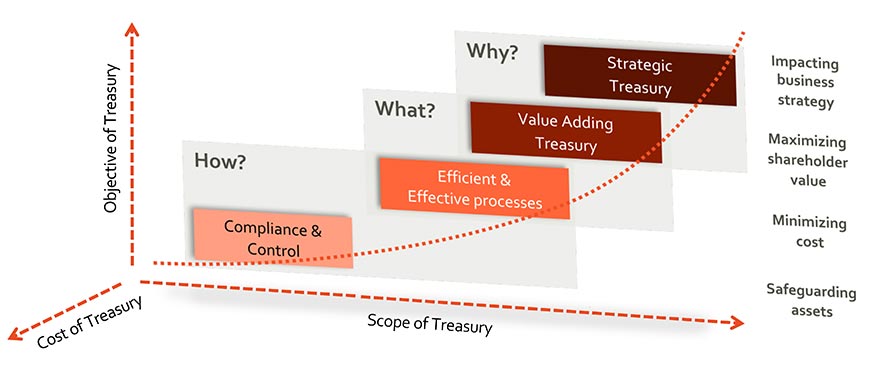
Corporate holdings require institutional-grade security. Choose a custodian that offers multi-signature wallets, insurance coverage, and compliance with local financial regulations. Avoid self-custody for large reserves unless you have dedicated internal security teams. Verify that the provider supports both Bitcoin and major stablecoins like USDC or USDT.
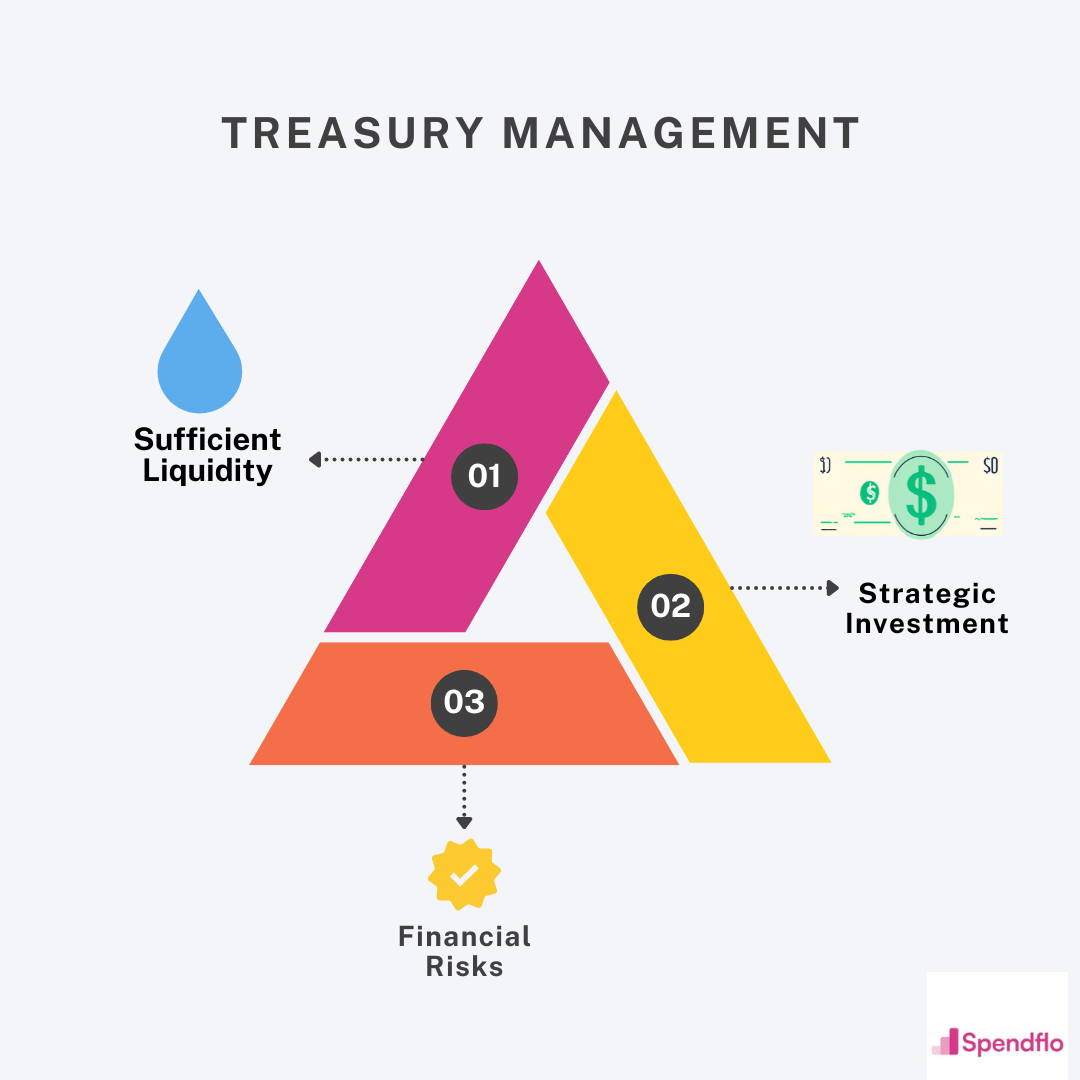
Ensure your treasury management system (TMS) can track digital asset balances in real time. Integrate API connections to your custodian for automated reconciliation. This step bridges the gap between traditional accounting and blockchain data, providing accurate financial reporting and reducing manual errors.

Define who approves transactions, who holds keys, and how losses are handled. Create a written policy that aligns with your company’s broader risk management framework. Regularly review these protocols against evolving regulations in your jurisdiction to maintain legal compliance and audit readiness.

Set quarterly review cycles to assess the performance of your digital holdings. Compare returns against traditional money market funds. Adjust your allocation based on market conditions and corporate cash flow needs. Use technical analysis tools to time entry and exit points for volatile assets like Bitcoin.
Avoid common treasury implementation mistakes
Many companies fail by treating digital assets as speculative investments rather than treasury tools. Avoid mixing operational cash with high-risk crypto positions. Ensure your custodian is audited and insured. Never skip the integration step; manual tracking leads to significant reporting gaps and compliance risks.
Identify Weak Options in Your Treasury Stack
Treasury teams are moving away from idle cash reserves toward Bitcoin and stablecoins to capture yield and reduce settlement friction. However, not every "innovation" deserves the budget. Many firms waste resources on solutions that add complexity without solving liquidity or security problems. Before committing to a new treasury infrastructure, you must audit your current stack for these common pitfalls.
Over-Reliance on Single-Provider Liquidity
Relying on one custodian or exchange for your stablecoin holdings creates a single point of failure. If that provider faces regulatory scrutiny or technical downtime, your treasury operations halt. The fix is diversification across multiple regulated custodians and using on-chain bridges that don't depend on a central intermediary. This approach mirrors traditional multi-bank cash pooling but applies it to digital assets.
Ignoring Smart Contract Risk in Yield Strategies
Many treasury teams chase high yields by locking stablecoins into DeFi protocols or untested banking products. These strategies often ignore the underlying smart contract risk or the regulatory uncertainty surrounding the yield source. A 5% yield is worthless if the principal is lost to a hack or frozen by a regulator. Stick to protocols with audited code, transparent reserves, and clear regulatory compliance records.
Underestimating Tax and Accounting Complexity
Treating Bitcoin and stablecoins as simple cash equivalents is a costly mistake. Every transaction can trigger a taxable event, and accounting for these assets requires specialized software. Failure to track cost basis accurately leads to compliance errors and unexpected tax liabilities. Implement a robust tracking system from day one, and consult with tax professionals who understand digital asset regulations.
Verify Your Strategy with Live Data
Don't rely on static reports. Use live market data to monitor your treasury's performance and risk exposure in real time.
Corporate treasury management 2026: what to check next
Treasury leaders are navigating a shift from traditional cash hoarding to dynamic digital asset allocation. The following questions address the practical hurdles of integrating Bitcoin and stablecoins into corporate balance sheets.
The landscape is changing fast. Treasury teams that build robust frameworks now will have a significant advantage over those reacting later.
No comments yet. Be the first to share your thoughts!