What tokenized treasuries actually are
Tokenized treasuries are digital representations of U.S. government bonds issued on a blockchain. Unlike general crypto assets that derive value from speculative demand or network effects, these tokens are backed by real-world sovereign debt. They combine the "risk-free" yield of traditional U.S. Treasuries with on-chain efficiency, enabling 24/7 access, instant settlement, and new use cases in decentralized finance (DeFi).
The structure is straightforward: a custodian holds the underlying Treasury bill or bond, and a corresponding token is minted on a public ledger. This token can then be transferred, traded, or used as collateral without the delays typical of traditional financial markets. Once issued, these tokens can be integrated into broader DeFi ecosystems, allowing institutions and retail investors to collateralize stablecoins or access liquidity instantly.
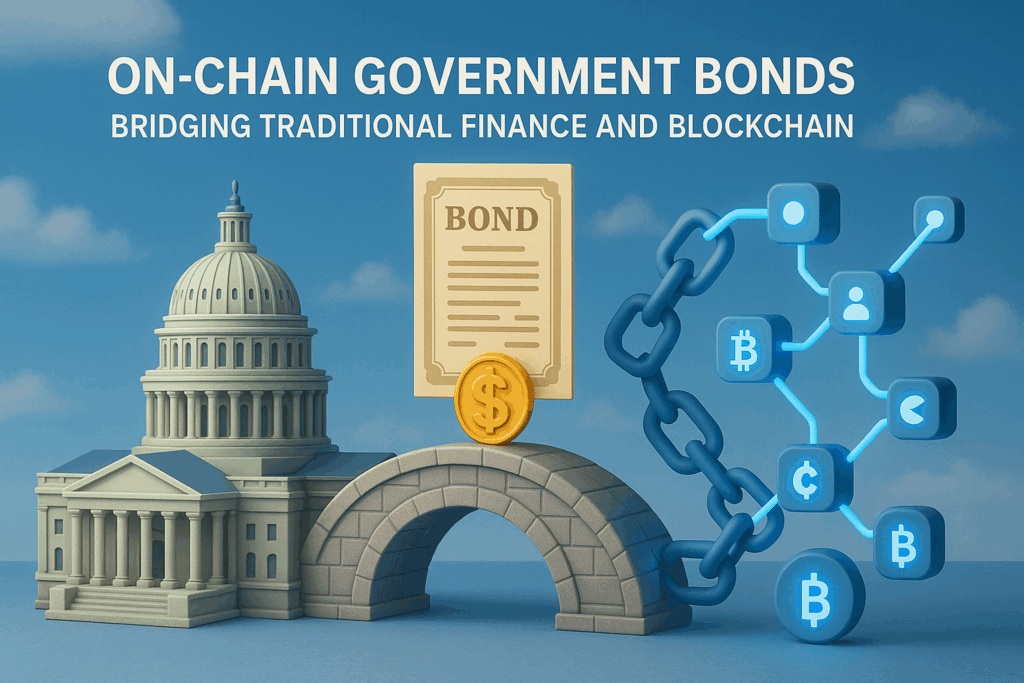
This model bridges the gap between legacy finance and blockchain technology. By tokenizing these assets, issuers offer a yield-bearing asset that settles in minutes rather than days, while maintaining the regulatory and credit profiles of the underlying government obligation. This distinction is critical for understanding the risk profile and utility of tokenized treasuries in 2026.
Yield sources in tokenized U.S. debt
Tokenized U.S. Treasuries convert traditional government debt into digital assets that settle on a blockchain. This structure preserves the "risk-free" yield of the underlying instrument while adding on-chain efficiency. The result is a hybrid asset that offers 24/7 access and instant settlement, distinct from the T+1 or T+2 cycles of traditional markets.
The yield mechanisms vary significantly by maturity, allowing treasuries to serve different liquidity needs.
Short-term liquidity (T-bills)
Treasury bills provide the highest liquidity. Typically issued with maturities of four weeks to one year, they are priced at a discount to face value. The yield is the difference between the purchase price and the redemption amount. Tokenized T-bills allow holders to access this cash-like yield instantly, making them ideal for treasury management where capital must remain ready for deployment.
Medium-term income (Notes)
Treasury notes offer fixed interest payments, usually semi-annual. With maturities ranging from two to ten years, they balance yield and stability. Tokenized notes enable holders to receive these interest payments directly to their wallet, automating the cash flow stream that traditional bondholders must manually collect. This is particularly useful for protocols or funds seeking predictable, automated yield.
Long-term fixed income (Bonds)
Treasury bonds provide long-term yield, typically with maturities of twenty or thirty years. They offer higher yields than bills or notes to compensate for interest rate risk. Tokenized bonds allow for fractional ownership, lowering the barrier to entry for long-duration exposure. This enables smaller investors or smart contracts to access the long end of the yield curve without large capital commitments.
The maturity spectrum determines how these assets function within a treasury. Short-term bills act as cash equivalents, while long-term bonds serve as yield-generating collateral. The choice depends on the desired balance between liquidity and return.
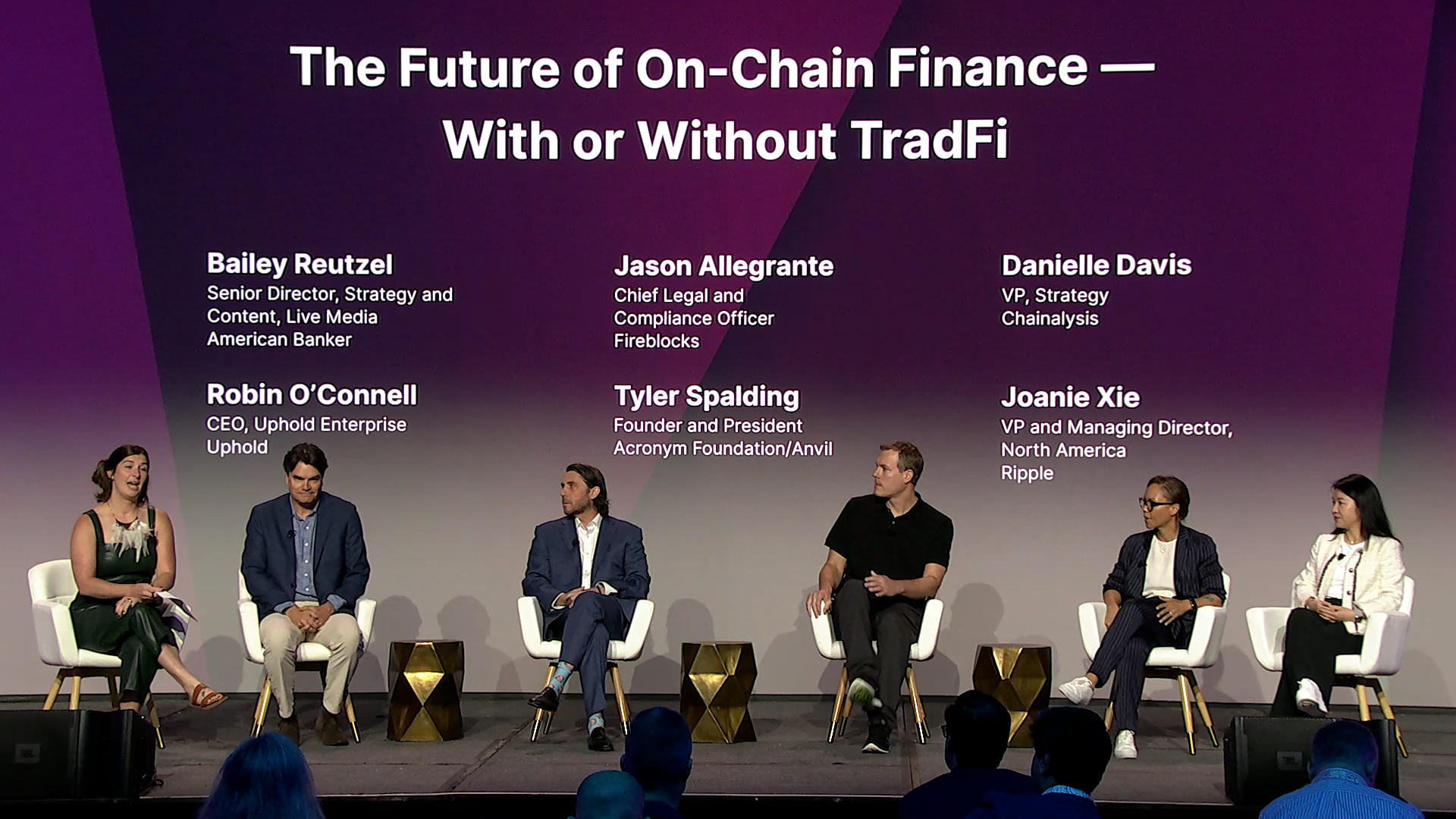
The U.S. Treasury Department has acknowledged this shift, noting that several funds now provide on-chain access to tokenized Treasuries. This official recognition signals that the infrastructure is maturing from experimental to institutional. The yield remains tied to the U.S. government’s credit, but the delivery mechanism is now digital.
For treasuries, the key is matching the tokenized instrument to the liquidity requirement. Bills for immediate needs, notes for steady income, and bonds for long-term yield. This flexibility is the core advantage of on-chain treasury management.
Navigating the Regulatory Landscape for On-Chain Treasuries
The regulatory environment for on-chain treasuries is shifting from theoretical debate to concrete framework implementation. As institutions move tokenized U.S. Treasuries from pilot programs to core treasury operations, compliance is no longer a secondary concern but a structural prerequisite. The legal clarity surrounding these assets depends heavily on jurisdiction, the status of the underlying issuer, and the specific regulatory classification of the token itself.
In the United States, the Treasury Department has begun addressing the intersection of digital assets and traditional finance. A recent report from the Treasury Board of Advisors on the Treasury Market (TBAC) highlights the growing presence of on-chain access to tokenized Treasuries. The report notes that several funds now provide this access, signaling a move toward institutional acceptance. However, the report also emphasizes the need for robust regulatory oversight to manage risks associated with settlement finality and liquidity fragmentation [[src-serp-5]]. This official recognition underscores that while the technology is advancing, the legal scaffolding is still being built.
Jurisdiction remains the primary variable in compliance strategy. Unlike traditional securities, which are governed by clear national frameworks like the Securities Act of 1933, tokenized assets often operate across borders. This creates a complex web of potential regulatory overlap. Companies must verify the jurisdiction of the issuer and the regulatory status of the tokenized asset before integration. Failure to do so can result in significant legal exposure, particularly in jurisdictions with strict securities laws or anti-money laundering (AML) requirements.
The industry case for change is strong, driven by the efficiency gains of bringing the highest quality liquid assets on-chain. However, this efficiency must be balanced with regulatory rigor. As noted by industry experts, the promise of tokenized Treasuries meets real-world practice through a lens of compliance. The legal framework is evolving, but it is not yet uniform. Organizations must stay attuned to developments from official sources, such as the U.S. Treasury and global financial regulators, to ensure their on-chain strategies remain compliant as the landscape matures.
DeFi Integration and Collateral Utility
Tokenized treasuries are moving beyond simple yield storage to become foundational infrastructure for decentralized finance. By converting traditional government bonds into digital tokens, institutions can unlock liquidity without selling the underlying asset. This shift allows high-quality liquid assets to function as collateral within broader DeFi ecosystems, bridging the gap between regulated finance and permissionless protocols.
Stablecoin Backing and Liquidity
One of the most immediate applications is using tokenized treasuries to back stablecoins. Traditional stablecoins often rely on cash or commercial paper, which may carry higher credit risk or lower yields. Tokenized U.S. Treasuries offer a "risk-free" yield alternative that can be verified on-chain in real time. This integration enhances the transparency and solvency proofs of stablecoin issuers, providing a more robust foundation for digital dollar liquidity.
Cross-Border Repo and Settlement
Tokenization also streamlines repurchase agreements (repos) and cross-border settlements. Traditional repo markets involve multiple intermediaries, leading to slow settlement times and high operational costs. On-chain, these transactions can settle instantly, 24/7, with reduced counterparty risk. This efficiency is particularly valuable for institutional investors managing global cash positions, as it eliminates the friction of traditional banking rails.
Protocol Integration
The utility of these tokens extends to lending protocols and automated market makers. Once issued, tokens can be seamlessly integrated into DeFi smart contracts, enabling new financial products such as leveraged yield strategies or collateralized debt positions. This interoperability transforms static treasury holdings into dynamic financial instruments that can generate additional value through decentralized lending and trading.

Treasury management checklist for 2026
Implementing an on-chain treasury strategy requires a structured approach to mitigate smart contract and regulatory risks. The following workflow helps treasurers evaluate tokenized assets, such as U.S. government bonds, while maintaining compliance standards.
Confirm that the issuer is a regulated entity. For tokenized treasuries, ensure the underlying assets are held in segregated, audited custodial accounts. Cross-reference the issuer against official regulatory databases in your jurisdiction to verify legitimacy.
Analyze how yield is distributed. Tokenized treasuries often combine traditional "risk-free" yield with on-chain efficiency. Determine if yields are paid in stablecoins or native tokens, and verify settlement times against your liquidity requirements.

Review third-party security audits for the smart contracts governing the treasury tokens. Prioritize protocols that have undergone multiple audits by reputable firms and have active bug bounty programs. Check for any historical exploits or vulnerabilities.
Align the treasury structure with local financial regulations. Verify that the on-chain assets are recognized as legal tender or compliant securities in your jurisdiction. Establish clear reporting protocols for tax authorities and financial regulators.
No comments yet. Be the first to share your thoughts!