On-chain treasuries 2026 limits to account for
Treasury teams are moving from experimental pilots to production-grade on-chain allocations, but the 2026 operating environment is defined by constraints, not just opportunity. The primary hurdle is no longer technological feasibility; it is regulatory clarity and liquidity fragmentation. As tokenized U.S. Treasury bills and notes begin to settle on public and permissioned ledgers, CFOs must navigate a landscape where asset velocity increases but compliance overhead scales with every chain hop.
The market has shifted from speculative DeFi yield farming to Real World Asset (RWA) integration. Platforms like RWA.xyz now aggregate over $16 billion in tokenized government debt, signaling institutional adoption of blockchain-based settlement for traditional fixed income. This convergence offers 24/7 liquidity and programmable compliance, yet it introduces new counterparty risks related to smart contract audits and issuer custody structures. Treasury professionals must evaluate these tools not as speculative assets, but as operational infrastructure for capital efficiency.
Success in this environment requires a dual-track strategy: maintaining traditional banking relationships for regulatory reporting while leveraging on-chain rails for intra-day liquidity management and yield generation. The constraint in 2026 is not access to capital, but the ability to prove its origin and compliance in real-time across multiple jurisdictions. Treasuries that fail to integrate these on-chain capabilities risk falling behind in both cost efficiency and strategic agility.
On-chain treasuries 2026 choices that change the plan
Moving corporate liquidity onto a blockchain is no longer just a pilot program; it is a structural shift in how companies allocate capital. By early 2026, tokenized U.S. Treasuries alone held approximately $12.88 billion in value, signaling a clear market preference for digitized real-world assets (RWAs) over pure speculative tokens. However, choosing the right on-chain vehicle requires balancing yield, regulatory compliance, and operational complexity.
The decision between holding tokenized Treasuries, stablecoins, or direct crypto assets hinges on your treasury’s risk tolerance and liquidity needs. Tokenized Treasuries offer the safety of government debt with the speed of blockchain settlement, but they come with custody and counterparty risks inherent in the tokenization issuer. Stablecoins provide instant settlement and broad interoperability but lack the yield protection of fixed-income assets. Direct crypto holdings offer high upside but introduce significant volatility that can destabilize corporate balance sheets.
To evaluate these options, treasurers must look beyond headline yields. The true cost of on-chain capital includes gas fees, bridge risks, and the liquidity depth of the specific token. A comparison of these factors helps clarify which asset class aligns with your company’s specific treasury mandate.
| Asset Class | Yield Profile | Primary Risk | Settlement Speed |
|---|---|---|---|
| Tokenized Treasuries | Market-rate (T-Bill) | Issuer/Custody | Near-instant |
| Stablecoins (USD) | Low/None | De-pegging/Regulatory | Instant |
| Bitcoin (BTC) | None (Appreciation) | High Volatility | 10-60 min |
| Ethereum (ETH) | Staking (~3-5%) | Smart Contract/Volatility | 12-15 sec |
For companies prioritizing capital preservation, tokenized Treasuries are the most robust entry point. They allow you to earn risk-free rates while maintaining on-chain liquidity. However, you must vet the tokenization provider’s legal structure and audit history. If your treasury requires operational flexibility for payments, stablecoins remain the standard, though regulatory scrutiny is increasing.
For growth-oriented treasuries, a small allocation to Bitcoin or staked Ethereum can enhance long-term returns. This approach, however, requires strict risk management protocols to handle price swings. The following chart illustrates the current market behavior of Bitcoin, which remains the benchmark for digital asset volatility.
Build a corporate treasury playbook
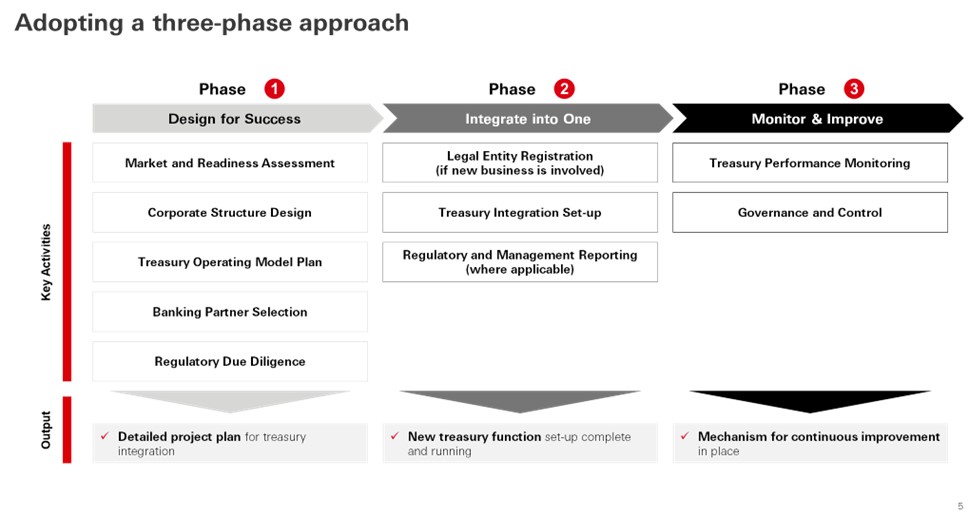
Treasury teams are moving from passive cash management to active on-chain capital allocation. This shift requires a structured approach to selecting assets, managing risk, and integrating with existing financial infrastructure. The following framework outlines the essential steps for building a functional treasury playbook that balances yield generation with regulatory compliance.
1. Define risk tolerance and asset allocation
Start by categorizing treasury assets into core, satellite, and speculative buckets. Core holdings should focus on high-quality liquid assets, primarily tokenized U.S. Treasuries and stablecoins pegged to major fiat currencies. These assets provide liquidity and preserve capital. Satellite assets might include short-duration corporate bonds or money market funds tokenized on-chain. Speculative allocations, such as Bitcoin or Ethereum, should remain limited to a small percentage of the total portfolio, serving as a hedge against inflation or currency debasement rather than a primary savings vehicle.
2. Select compliant on-chain infrastructure
Choose a custody solution that meets your organization’s security and regulatory requirements. Institutional-grade custodians offer multi-signature wallets, cold storage, and insurance coverage. Ensure the platform supports the specific assets you intend to hold, such as tokenized Treasuries from providers like Ondo Finance or Franklin Templeton. Verify that the custodian has undergone independent audits and complies with relevant regulations, such as SOC 2 Type II or ISO 27001. This step is critical for maintaining audit trails and satisfying internal compliance teams.
3. Integrate with existing financial systems
Treasury management should not exist in a silo. Integrate on-chain assets with your Enterprise Resource Planning (ERP) system or treasury management software (TMS) via APIs. This allows for real-time visibility of on-chain balances alongside traditional bank accounts. Automate reconciliation processes to reduce manual errors and improve reporting accuracy. Ensure that your accounting team can correctly classify on-chain assets for financial statements, adhering to GAAP or IFRS standards.
4. Establish operational procedures and controls
Create clear Standard Operating Procedures (SOPs) for on-chain transactions. Define approval workflows for large transfers, including multi-signature requirements and time-locks. Implement strict key management policies, ensuring that private keys are never stored on connected devices. Regularly test disaster recovery plans, including wallet restoration and transaction reversal protocols. Train treasury staff on the unique risks of blockchain technology, such as smart contract vulnerabilities and phishing attacks.
5. Monitor performance and adjust strategy
Treasury operations require continuous monitoring. Use dashboards to track yield, liquidity, and exposure across both on-chain and off-chain assets. Regularly review the performance of tokenized assets against traditional benchmarks. Adjust allocations based on market conditions, regulatory changes, and organizational needs. Stay informed about developments in the tokenized asset space, including new regulations and emerging platforms.
| Asset Class | Risk Level | Liquidity | Primary Use Case |
|---|---|---|---|
| Tokenized U.S. Treasuries | Low | Medium | Capital preservation and yield |
| Stablecoins (USD-pegged) | Low | High | Daily operations and settlements |
| Bitcoin | High | High | Long-term store of value |
| Tokenized Money Market Funds | Low | Medium | Short-term cash management |
Spotting weak on-chain treasury options
Treasury teams evaluating on-chain capital allocation often face a crowded market of tokenized U.S. Treasury funds. While the promise of distributed value is compelling, many platforms obscure the reality of yield distribution and liquidity access. Before committing capital, distinguish between genuine on-chain infrastructure and marketing-heavy wrappers.
The liquidity illusion
Many tokenized Treasury products claim instant settlement, yet actual redemption windows often lag behind traditional banking rails. This discrepancy creates a false sense of liquidity. When market volatility spikes, the ability to exit positions quickly becomes the primary concern, not the theoretical yield. Verify the underlying custodian and redemption mechanics before assuming on-chain equals instant access.
Yield transparency gaps
A common mistake is ignoring the fee structure embedded in tokenized notes. Some platforms advertise attractive yields without disclosing the spread taken by intermediaries. This hidden friction erodes returns over time. Always trace the yield source back to the original Treasury bill auction rate. If the math doesn't align with primary market data, the option is likely flawed.
Regulatory compliance risks
Not all on-chain Treasury products are created equal under current regulations. Some operate in gray areas regarding investor accreditation and jurisdictional restrictions. Failing to verify regulatory status can lead to frozen assets or legal complications. Stick to platforms that explicitly comply with SEC guidelines and offer clear audit trails.
Concrete evaluation checklist
When comparing options, prioritize those offering:
- Direct custody by a regulated bank
- Transparent, real-time yield reporting
- Clear redemption terms and timelines
- Regulatory compliance documentation
Avoid platforms that rely on third-party aggregators without direct custody links. The extra layer of intermediation adds risk without adding value. Focus on simplicity and transparency in your selection process.
On-chain treasuries 2026: what to check next
Adopting on-chain capital allocation requires navigating regulatory clarity, technical integration, and yield trade-offs. The following answers address the practical objections corporate treasurers face when moving from traditional banking rails to distributed ledger technology.
The shift to on-chain treasuries is not just about yield; it is about operational efficiency and transparency. By leveraging tokenized real-world assets, corporations can access 24/7 liquidity and programmable compliance, reducing settlement times from days to seconds.
No comments yet. Be the first to share your thoughts!