The 2026 treasury technology shift
The landscape of corporate liquidity management is undergoing a structural break. For decades, corporate treasuries relied on siloed legacy systems and fragmented banking rails to manage cash, a process that introduced latency, reconciliation errors, and opaque settlement cycles. In 2026, this model is being replaced by distributed ledger technology (DLT), which offers real-time visibility and programmable settlement for corporate assets.
The catalyst for this shift is not merely technological preference but a looming maturity wall. With the U.S. Treasury facing approximately $10 trillion in maturities in 2026, the cost and complexity of rolling over traditional debt and managing short-term liquidity have become prohibitive for many institutions. On-chain treasuries offer a solution by tokenizing real-world assets (RWAs), such as U.S. Treasury bills, allowing them to be held, traded, and exchanged on a blockchain with greater efficiency than traditional custodial models.
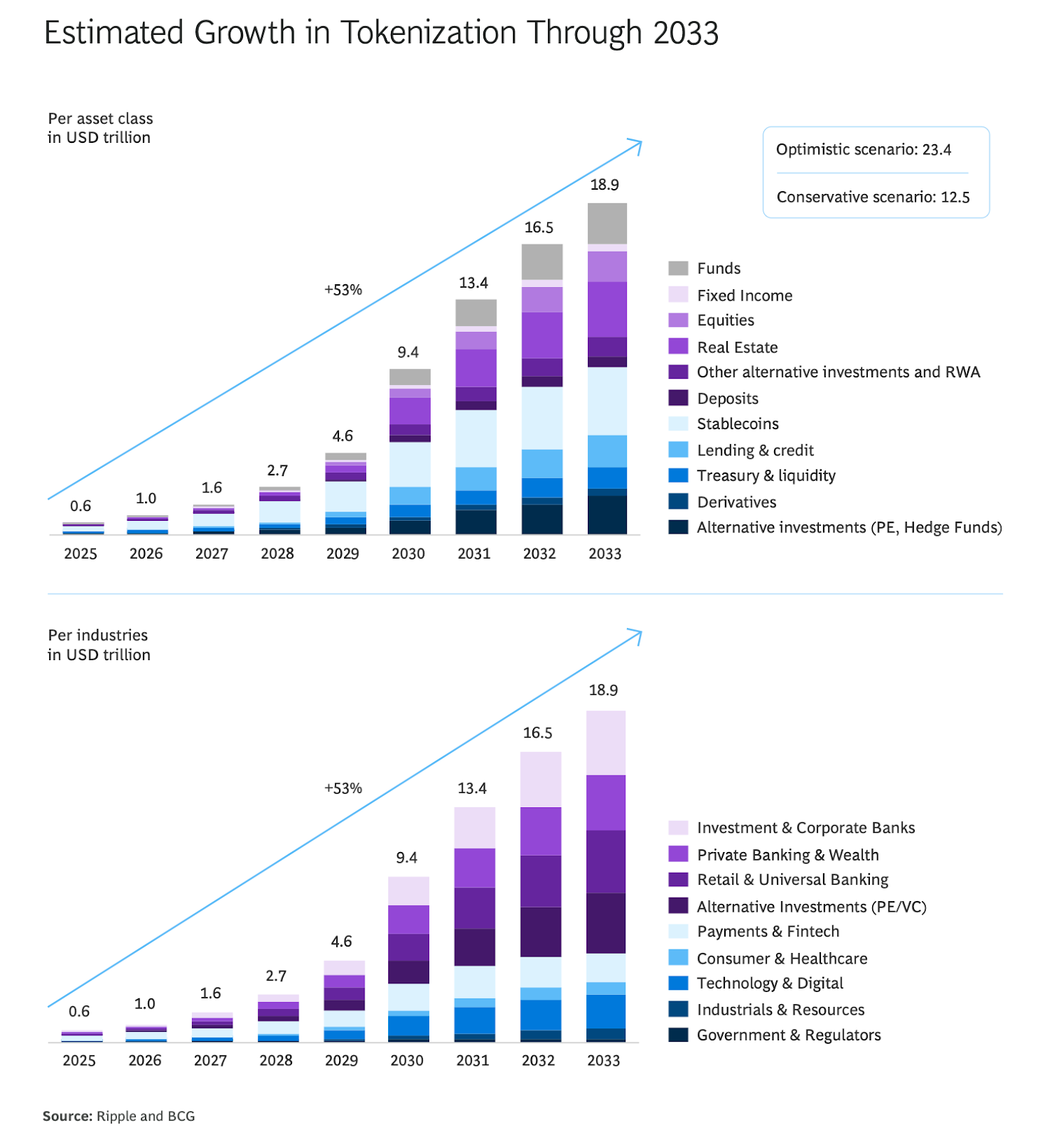
Adoption is accelerating rapidly. As of May 2026, the on-chain real-world asset market—excluding stablecoins—surpassed $32 billion in value, reflecting over 200% growth from the previous year. This surge indicates that institutional players are moving beyond experimentation into active deployment of on-chain treasury infrastructure.
This transition redefines how corporations interact with money. Instead of waiting days for traditional wire transfers or reconciling disparate bank statements, treasurers can now utilize smart contracts to automate cash management, yield optimization, and compliance checks. The result is a treasury function that is no longer a back-office cost center but a dynamic, liquid asset manager integrated directly into the digital economy.
Tokenized treasuries and real-world assets
The tokenization of U.S. Treasuries has moved from experimental pilots to institutional standard. By 2026, the market for tokenized government debt has surpassed $32 billion, driven by platforms like Securitize and BlackRock that bridge traditional finance with blockchain infrastructure. This shift transforms static bonds into programmable digital assets, enabling instant settlement and automated yield distribution.
Tokenized treasuries function by issuing digital tokens on a blockchain that represent underlying U.S. government debt, including Treasury bills, notes, and bonds. These tokens are backed 1:1 by the actual securities held in custody. This structure allows institutions to hold, trade, and exchange treasury assets on-chain with the same legal backing as traditional holdings, but with significantly reduced friction.
The growth of this sector is largely attributed to major asset managers integrating tokenization into their core offerings. BlackRock, for instance, has deepened its push by filing for tokenized Treasury reserve funds in partnership with Securitize. These on-chain funds offer institutional investors a way to access treasury yields directly on the blockchain, bypassing traditional intermediaries and opening the door to 24/7 liquidity.
To understand the operational shift, it helps to compare the mechanics of traditional treasury management against on-chain alternatives. The following table outlines the key differences in settlement, transparency, and programmability.
| Feature | Traditional Treasury Management | On-Chain Treasury Management |
|---|---|---|
| Settlement Time | T+1 or T+2 days | Near-instant (seconds/minutes) |
| Intermediaries | Multiple (custodians, brokers, clearinghouses) | Reduced (smart contracts, token issuers) |
| Transparency | Periodic reporting, opaque ledgers | Real-time on-chain visibility |
| Programmability | Limited, manual processes | High (automated yield, compliance) |
| Accessibility | High minimums, institutional only | Fractionalized, broader access |
This comparison highlights why tokenized treasuries are becoming a critical component of modern corporate treasuries. The ability to automate compliance and distribution through smart contracts reduces operational costs and errors, while the transparency of the blockchain provides auditors with real-time visibility into asset holdings.
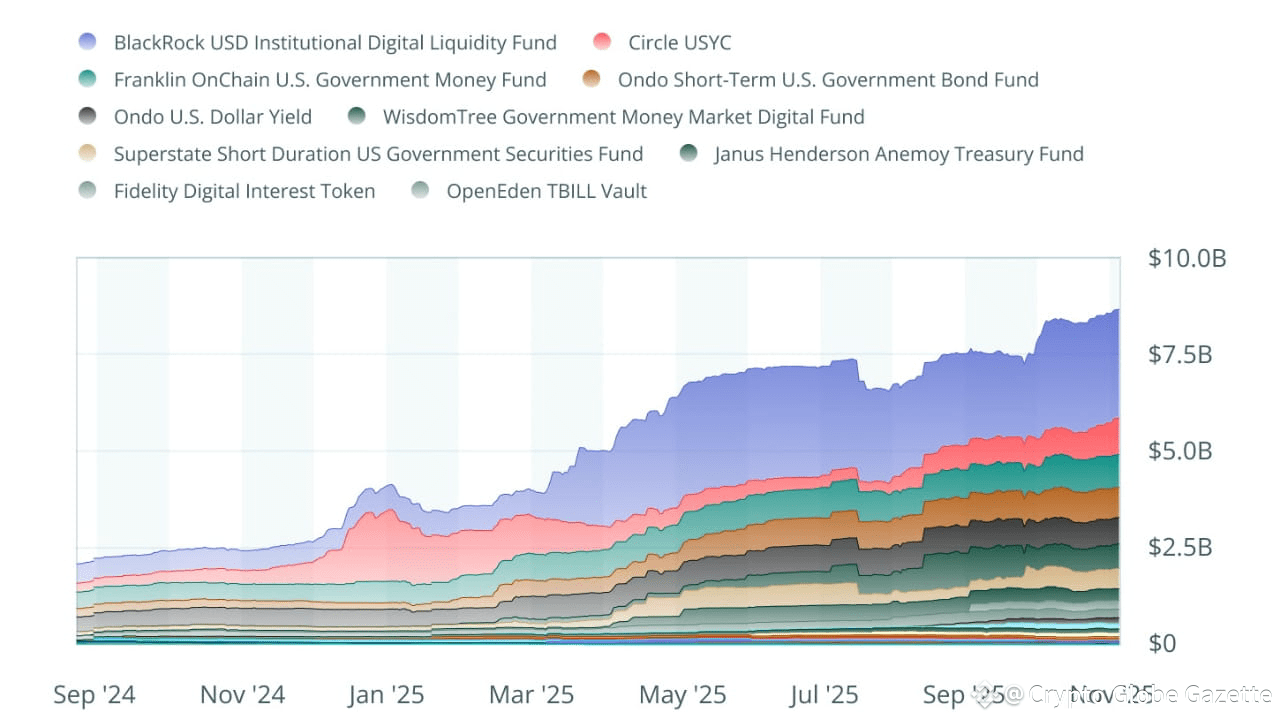
As the market matures, the focus is shifting from mere tokenization to integration. Platforms are now building tools that allow traditional treasury management systems to interact directly with on-chain assets. This integration ensures that institutions can leverage the efficiency of blockchain technology without disrupting their existing financial workflows.
The trend is supported by a growing ecosystem of issuers and infrastructure providers. From Securitize to Sygnum, these platforms are establishing the legal and technical frameworks necessary for large-scale adoption. As regulatory clarity improves, we expect to see even more traditional financial institutions entering the tokenized treasury space.
The tokenization of real-world assets like U.S. Treasuries represents a fundamental change in how institutions manage liquidity. By combining the safety of government debt with the efficiency of blockchain technology, organizations can optimize their treasury operations for the digital age.
Bitcoin and stablecoin reserve strategies
In 2026, corporate treasuries are increasingly adopting a dual-asset strategy: holding Bitcoin as a long-term store of value while using stablecoins for daily operational liquidity. This approach allows companies to balance the appreciation potential of digital assets with the immediate transactional needs of modern business.
Bitcoin as a strategic reserve
Bitcoin is no longer viewed solely as a speculative asset but as a core component of the corporate balance sheet. Companies are allocating a fixed percentage of their reserves to Bitcoin to hedge against fiat currency debasement and inflation. This "digital gold" allocation provides a hedge that traditional bonds and cash cannot offer.
To understand the current valuation context of this strategic asset, we look at live market data:
The volatility of Bitcoin requires a disciplined holding strategy. Rather than trading for short-term gains, treasuries are treating Bitcoin as a long-term reserve asset, similar to how central banks hold gold. This shift is supported by the growing infrastructure for institutional custody and the increasing acceptance of Bitcoin on corporate balance sheets.
Stablecoins for operational liquidity
While Bitcoin serves as the reserve, stablecoins like USDT and USDC provide the liquidity needed for day-to-day operations. These assets offer the speed and low cost of blockchain transactions while maintaining a stable value pegged to the US dollar. This allows companies to settle international payments, manage payroll, and handle supply chain financing without the delays and fees associated with traditional banking systems.
The integration of stablecoins into treasury operations is driven by the need for efficiency. Traditional cross-border transfers can take days and incur significant fees. Stablecoins settle in minutes, 24/7, providing a seamless liquidity layer for global businesses.
Balancing risk and reward
The dual approach of holding Bitcoin and stablecoins allows companies to optimize their treasury management. Bitcoin provides long-term value preservation, while stablecoins ensure operational agility. This strategy requires careful risk management, including robust custody solutions and clear policies on asset allocation.
As the digital asset landscape matures, more companies are expected to adopt this hybrid model. The key is to maintain a balanced portfolio that leverages the strengths of both Bitcoin and stablecoins while mitigating the risks associated with each.
For a deeper look at the technical underpinnings of these on-chain treasuries, the following chart illustrates the price action of Bitcoin, the primary reserve asset in this strategy:
Where to buy tokenized assets
Institutional access to on-chain treasuries has shifted from experimental pilots to regulated infrastructure. Today, institutional investors do not buy these assets on public crypto exchanges. Instead, they use licensed custodians, private placement platforms, and regulated digital asset exchanges.
The market is divided into primary issuance platforms and secondary trading venues. Primary platforms handle the subscription process, ensuring KYC/AML compliance before the token is minted. Secondary venues provide liquidity for existing tokenized instruments. For treasuries, the yield is typically tied to the underlying US government debt, offering a transparent, on-chain yield of approximately 4-5% APY.
Regulated Issuance Platforms
Licensed banks and specialized fintechs are the primary gatekeepers. Sygnum offers a comprehensive ecosystem where institutional investors can subscribe to tokenized assets via their issuance platform, Desygnate, or trade them on the SygnEx secondary marketplace. These platforms ensure that every asset token is backed by real-world reserves and held in segregated custody.
Digital Asset Exchanges
For broader access, regulated digital asset exchanges are increasingly listing tokenized treasuries. These platforms provide the necessary infrastructure for institutional accounts, including segregated custody solutions and audit trails. When evaluating options, prioritize platforms that are registered with financial authorities in your jurisdiction.
Custody and Security
Security is the non-negotiable foundation. Institutional treasuries require multi-signature wallets and proof-of-reserves audits. Never hold tokenized assets in unverified hot wallets. Use providers that offer institutional-grade custody, ensuring that the private keys are managed by qualified third parties.
Key Infrastructure Providers
| Provider | Primary Function | Compliance Focus |
|---|---|---|
| Sygnum | Issuance & Trading | Swiss Banking License |
| Ondo Finance | Tokenized Treasuries | US SEC Compliance |
| Backed Finance | Tokenized Equities | EU MiCA Regulation |
| Securitize | Tokenization Platform | US Reg D/S Compliance |
These providers represent the current standard for institutional access. As the market matures, expect more traditional banks to launch their own tokenization desks, further blurring the line between traditional finance and digital assets.
The $10 Trillion Maturity Wall
The U.S. Treasury faces a $10 trillion maturity wall in 2026, creating a structural shift in how corporations manage liquidity. As billions in short-term bills roll over, the traditional cycle of refinancing at lower rates is being replaced by a steeper yield curve. This macroeconomic pressure forces institutions to seek more efficient ways to deploy capital rather than leaving it idle in low-yield checking accounts.
Market forecasts indicate the yield curve will steepen, with 3-month bills dropping to approximately 3.12% while the 10-year yield holds near 3.75%. This divergence highlights the opportunity cost of holding cash. On-chain treasury solutions offer a way to bridge this gap, providing access to higher-yielding, tokenized real-world assets that settle instantly.
The growth in this sector is already visible. As of May 2026, the value of on-chain real-world assets, excluding stablecoins, surpassed $32 billion. This surge reflects a broader institutional recognition that blockchain infrastructure can solve the friction of traditional settlement, turning static reserves into active, yield-generating components of the corporate balance sheet.
No comments yet. Be the first to share your thoughts!