In the rapidly evolving landscape of decentralized finance, DAOs are under increasing pressure to safeguard their treasuries against market volatility and operational risks. With the surge in stablecoin adoption and the proliferation of protocol-native vaults, organizations face both new opportunities and unique threats. Building resilient on-chain stablecoin vaults is no longer optional; it is a core requirement for sustainable DAO treasury management.
Implement Multi-Asset Diversification Across Leading Stablecoins and Protocols
Diversification remains the cornerstone of resilient treasury management. For DAOs, this means allocating assets across top-tier stablecoins such as USDC, DAI, and USDT, as well as distributing reserves across multiple DeFi protocols. This approach reduces exposure to any single point of failure, whether that’s a smart contract exploit or a sudden depegging event. By holding a basket of non-correlated stablecoins, DAOs can mitigate idiosyncratic risk while maintaining liquidity for operations and governance.
Recent data shows that leading DAOs are shifting significant portions of their treasuries into diversified stablecoin vaults to buffer against native token volatility. For example, by splitting reserves between decentralized (DAI) and centralized (USDC/USDT) options, organizations can hedge both regulatory risk and protocol risk simultaneously. For an in-depth look at how this diversification shields treasuries during market swings, see this comprehensive analysis.
Automate Risk Monitoring and Rebalancing Using On-Chain Smart Contract Tools
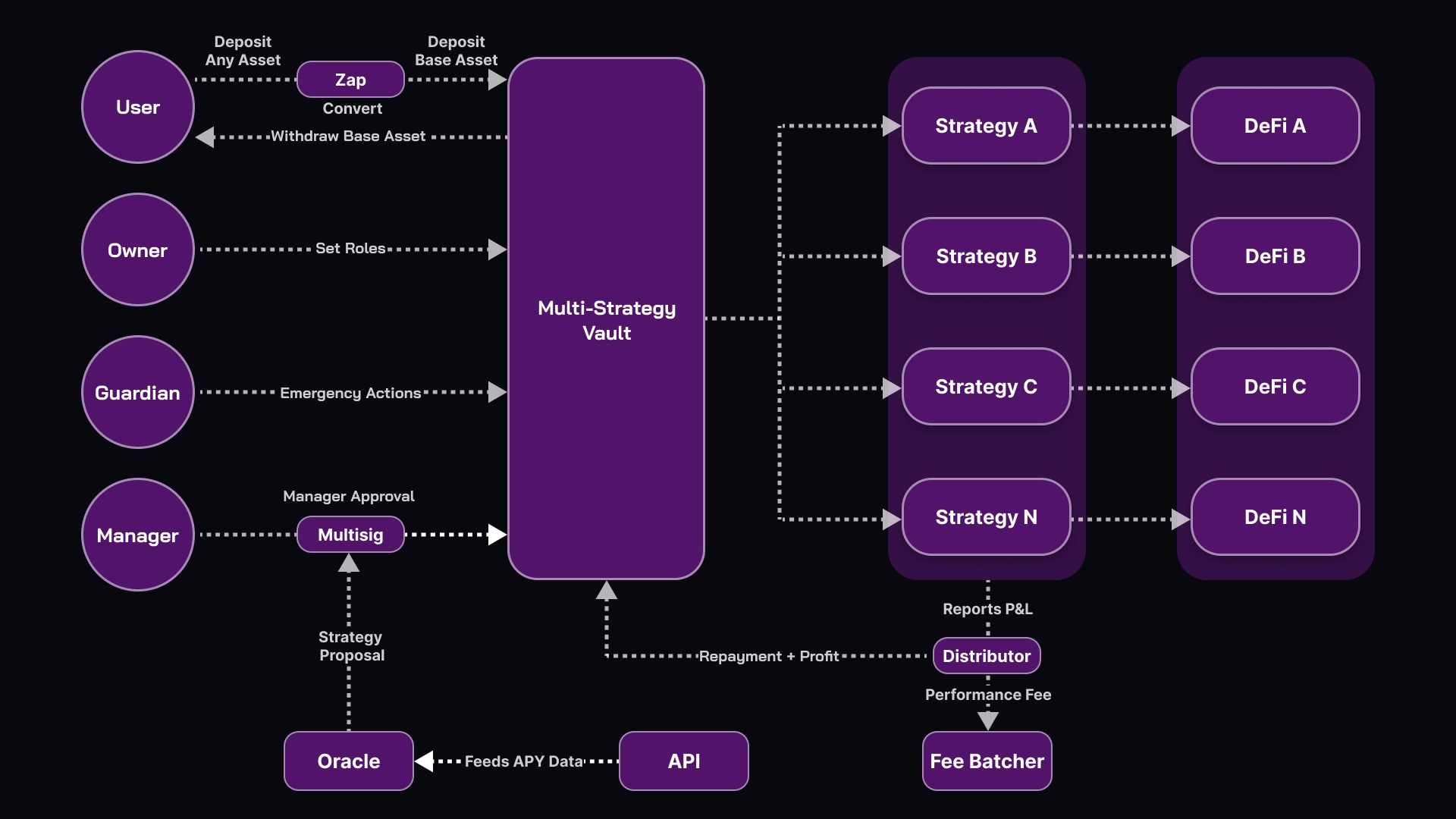
The next frontier in DAO treasury resilience is automation. Manual monitoring exposes organizations to human error, delayed responses to market events, and inconsistent execution. By leveraging on-chain smart contracts designed for continuous risk assessment and automated rebalancing, DAOs can enforce policy-based controls without centralized intervention.
Modern DeFi protocols offer vault solutions that autonomously track portfolio allocations against predefined thresholds, triggering rebalancing when deviations occur due to price movements or liquidity shifts. This not only optimizes capital efficiency but also ensures adherence to governance mandates around risk tolerance. Smart contract automation is particularly vital during periods of heightened volatility when rapid action is required to maintain peg stability or adjust exposure.
For practical guidance on deploying automated vault strategies within your DAO’s framework, refer to this step-by-step guide.
Adopt Multisig and Role-Based Access Controls for Vault Security and Compliance
No matter how advanced your diversification or automation strategies are, security remains paramount. The most effective DAOs implement robust multisig wallets, requiring multiple independent approvals before any transaction can be executed from the treasury vault. This drastically reduces the risk of unauthorized withdrawals or single-point compromise.
Beyond multisig setups, role-based access controls (RBAC) allow DAOs to tailor permissions for different contributors: separating proposal creation from execution authority or limiting high-risk actions to trusted stewards. These layered security measures are not just best practices, they are increasingly required by DAO governance frameworks aiming for regulatory compliance and operational transparency.
If you’re seeking actionable steps on securing your organization’s stablecoin reserves with industry-leading access controls, explore this detailed breakdown.
Building resilient on-chain stablecoin vaults is ultimately about integrating these three strategies, multi-asset diversification, automation, and robust security, into a cohesive treasury framework. The interplay between them is what distinguishes leading DAOs from those exposed to systemic risks or operational blind spots.
Multi-asset diversification ensures that even if one stablecoin or protocol faces a technical, regulatory, or market-driven disruption, the treasury’s overall solvency and operational runway remain intact. The practice of spreading risk not only insulates against black swan events but also supports more predictable cash flow for DAO initiatives.
Automation via smart contracts acts as a force multiplier. By removing manual intervention from routine risk monitoring and rebalancing, DAOs can react in real time to market shifts. This is crucial in an environment where stablecoin depegs or liquidity crunches can emerge within minutes. Automated vaults also provide auditable records of every action, a critical feature for transparency and community trust.
Security, anchored by multisig and role-based access controls, closes the loop by ensuring that only authorized actors can move funds or alter vault parameters. The combination of these controls with automation means that even if governance processes are slow-moving (as is often the case with larger DAOs), immediate threats can be neutralized without compromising long-term accountability.
Integrating Advanced Strategies: Practical Considerations for DAOs
To successfully implement these advanced strategies, DAOs should start by conducting a comprehensive risk assessment of their current treasury structure. Identify concentration risks across stablecoins and protocols, audit existing smart contract automation tools for reliability and upgradeability, and review access control policies for gaps or outdated permissions.
- Choose stablecoins with proven resilience: Prioritize assets with deep liquidity, transparent collateralization, and strong track records during market stress.
- Select interoperable vault protocols: Ensure your chosen automation tools are compatible across multiple chains if your DAO operates a multi-chain treasury.
- Regularly rotate multisig signers: Periodic rotation limits exposure from inactive or compromised participants while maintaining governance integrity.
The most resilient DAOs treat their stablecoin vaults as living systems, subject to ongoing review, optimization, and community oversight. For more context on how top organizations are evolving their practices in 2025, see this trend analysis.
Looking Ahead: The Future of On-Chain Treasury Management
The convergence of diversification, automation, and security is setting new standards for on-chain treasury management. As regulatory scrutiny increases and DeFi infrastructure matures, expect further innovation around permissionless access controls, automated compliance checks, and cross-chain vault interoperability. Forward-thinking DAOs will continue to invest in these capabilities, not just as defensive measures but as enablers of growth and sustainable governance.




No comments yet. Be the first to share your thoughts!