

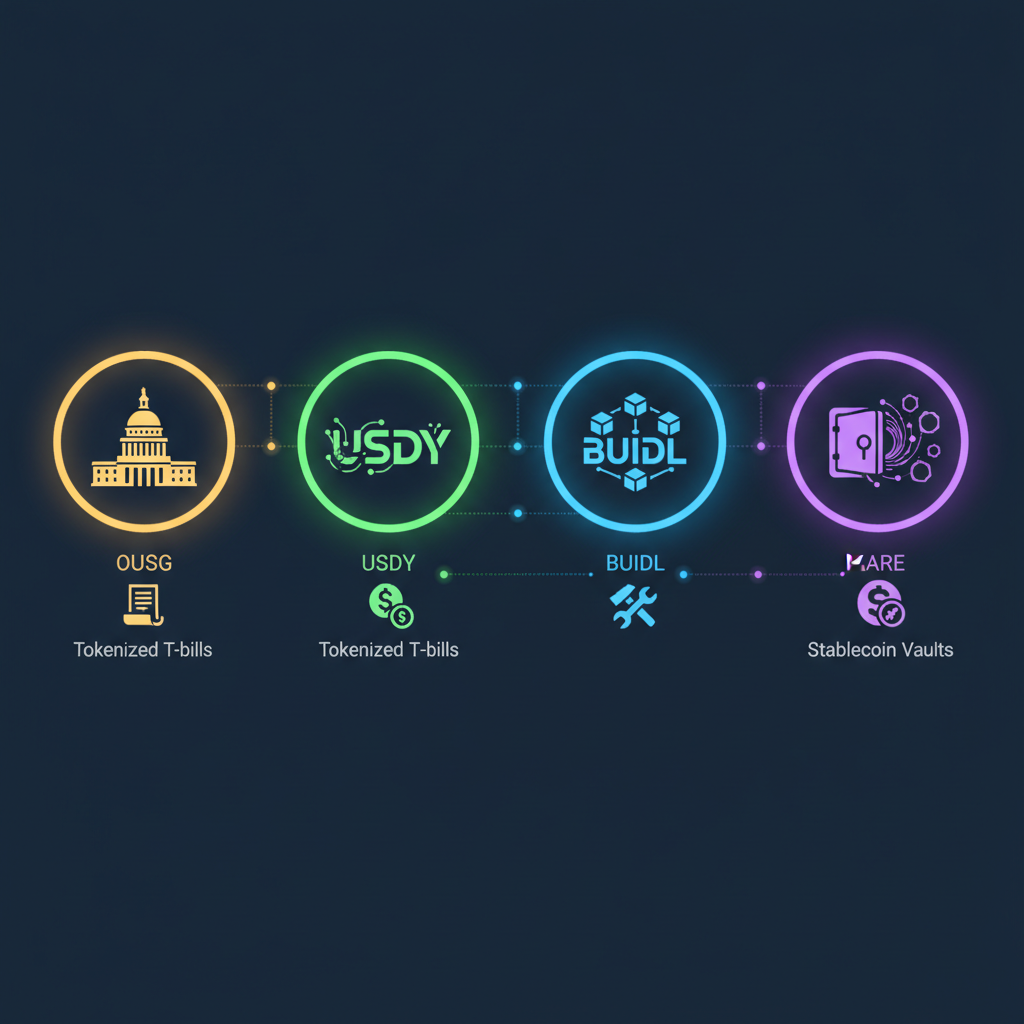
In early 2026, decentralized autonomous organizations face a maturing DeFi landscape where stability trumps speculation. Tokenized US Treasuries have surged, adding $2.12 billion in market cap within the first two months alone, outpacing stablecoin growth and pushing the sector’s total value to approximately $10.86 billion. This momentum, fueled by institutional players like BlackRock’s BUIDL fund at $2.9 billion AUM and Ondo Finance’s USDY and OUSG tokens reaching $2.5 billion, signals a pivotal shift in DAO treasury management. DAOs now prioritize tokenized US treasuries and stablecoin vaults to secure yields of 4-5% APY while maintaining liquidity and compliance in an on-chain environment.
Top Platforms to Buy Tokenized US Treasuries & RWAs in 2026
| Platform | Token | Est. APY | Chain | Key Benefit |
|---|---|---|---|---|
| BlackRock | BUIDL | ~4.5% | Multi-chain (Ethereum, Solana, Polygon) | Institutional-grade, backed by US Treasuries, $2.9B AUM |
| Ondo Finance | USDY | ~4.2% | Multi-chain | High liquidity, easy DAO integration, $2.5B total value |
| Franklin Templeton | BENJI | ~4.2% | Stellar | Compliant, low fees |
| OpenEden | TBILL | ~4.8% | Multiple | Transparent reserves, on-chain yields |
These assets bridge traditional finance’s safety with blockchain’s efficiency, offering DAOs a buffer against crypto volatility. BlackRock’s BUIDL, live across Ethereum, Solana, and Polygon since 2024, delivers direct yield from US Treasuries and cash equivalents with 24/7 settlement. Ondo’s yield-bearing USDY, backed by short-term Treasuries and deposits, exemplifies how on-chain treasury strategies generate reliable income. Meanwhile, innovations like OpenEden’s cUSDO on Solana enhance stablecoin ecosystems, now at $14.5 billion, by wrapping yield-bearing tokens fully collateralized by tokenized Treasuries.
The Imperative for Diversified DAO Treasuries in 2026
With crypto treasury firms consolidating amid tighter liquidity, DAOs must adopt prudent DeFi DAO yields 2026 approaches. Tokenized T-bills project a $25-30 billion addressable market, driven by DAO and institutional adoption. Yet risks loom: a crypto crash could trigger Treasury fire sales by stablecoin issuers. Prudent DAOs counter this by allocating to tokenized safe assets, leveraging AI tools like Vinci’s automated stablecoin sweeps or Blueprint’s treasury engine for real-time RWA routing. My view? Sustainable growth demands blending yield with resilience; ignoring this invites balance sheet erosion.

Core to this evolution are five targeted strategies that optimize treasuries using tokenized US Treasuries and stablecoin vaults, emphasizing stability, yield, and automation.
Top 5 DAO Treasury Strategies
-
1. Core Allocation to Tokenized US T-Bills for 4-5% APYDAOs prioritize stability by allocating core treasury funds to tokenized U.S. T-Bills via established products like BlackRock’s BUIDL Fund ($2.9B AUM across Ethereum, Solana, Polygon) and Ondo Finance’s OUSG (backed by BUIDL) and USDY (4.2% APY from short-term Treasuries and deposits). This sector added $2.12B in early 2026, reaching ~$10.86B total.
-
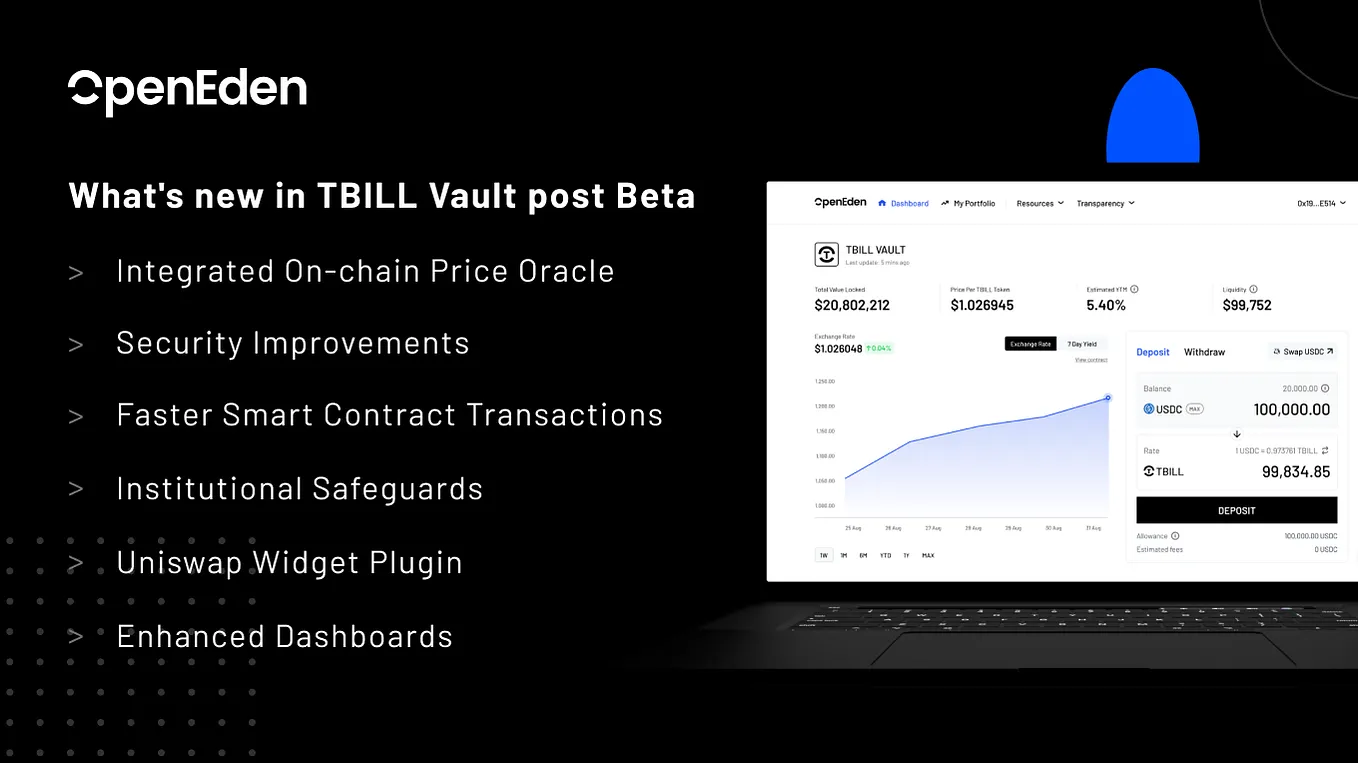
2. Stablecoin Vault Deposits for Compounded YieldsDeposit stablecoins into yield-bearing vaults like OpenEden’s USDO and Solana-wrapped cUSDO (fully backed by tokenized U.S. Treasuries) or Ondo’s USDY, enabling compounded yields of 4-5% APY with 24/7 liquidity. These strategies optimize DAO reserves amid stablecoin ecosystem growth to $14.5B on Solana by late 2025.
-
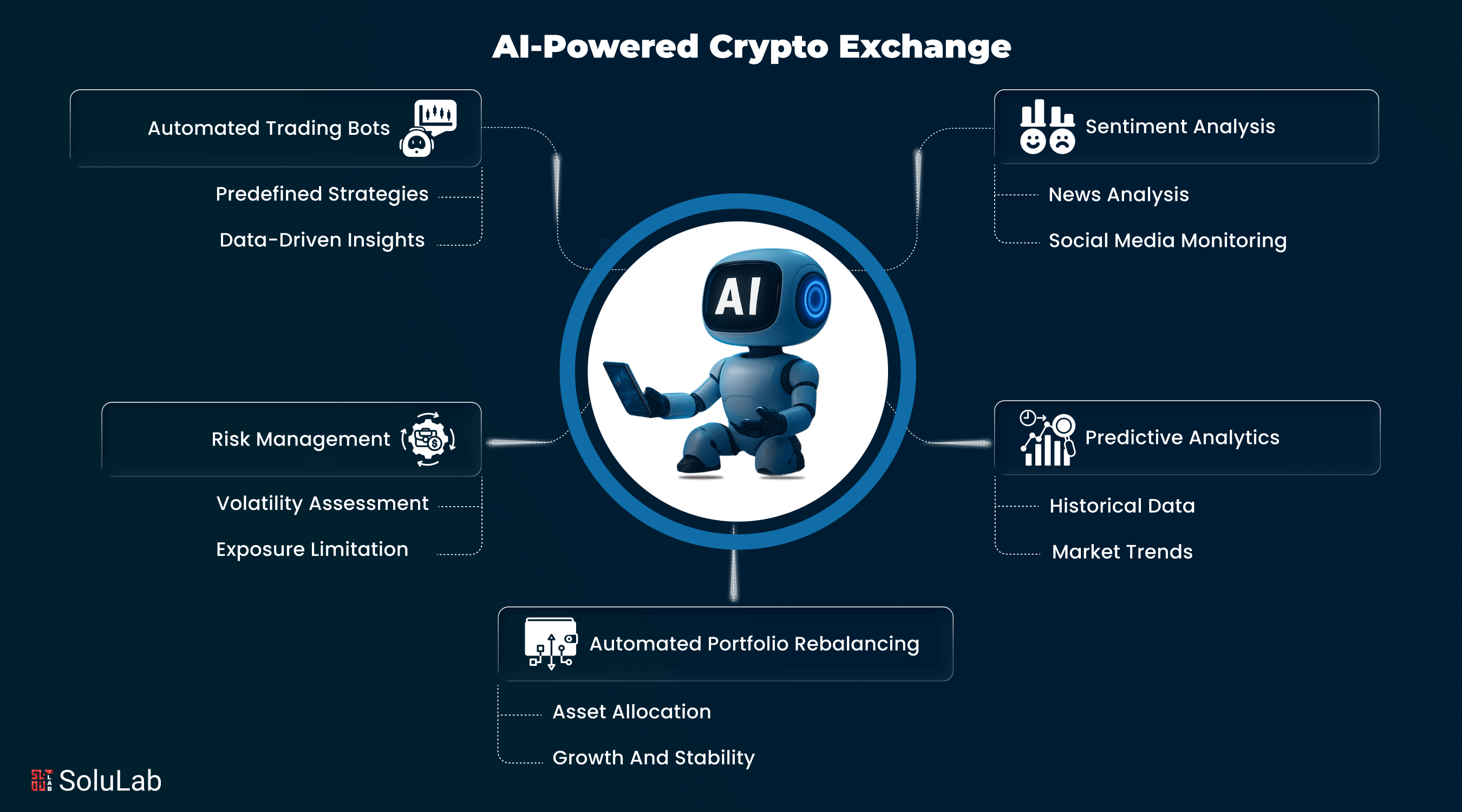
3. Automated Rebalancing via Smart ContractsSmart contracts automate treasury rebalancing between tokenized T-Bills and stablecoins. Platforms like Vinci use AI for real-time sweeps across DeFi markets, risk management, and yield optimization, while Blueprint’s AI-driven engine routes DAO reserves into tokenized RWAs per governance mandates.
-
4. RWA-Collateralized Lending StrategiesUse tokenized U.S. Treasuries (e.g., BUIDL, OUSG) as collateral for on-chain lending in DeFi protocols, generating additional yields beyond base APY. This leverages the $25-30B TAM for tokenized T-Bills by 2026, with Ondo’s $2.5B in RWA products enabling secure, compliant borrowing for DAOs.
-
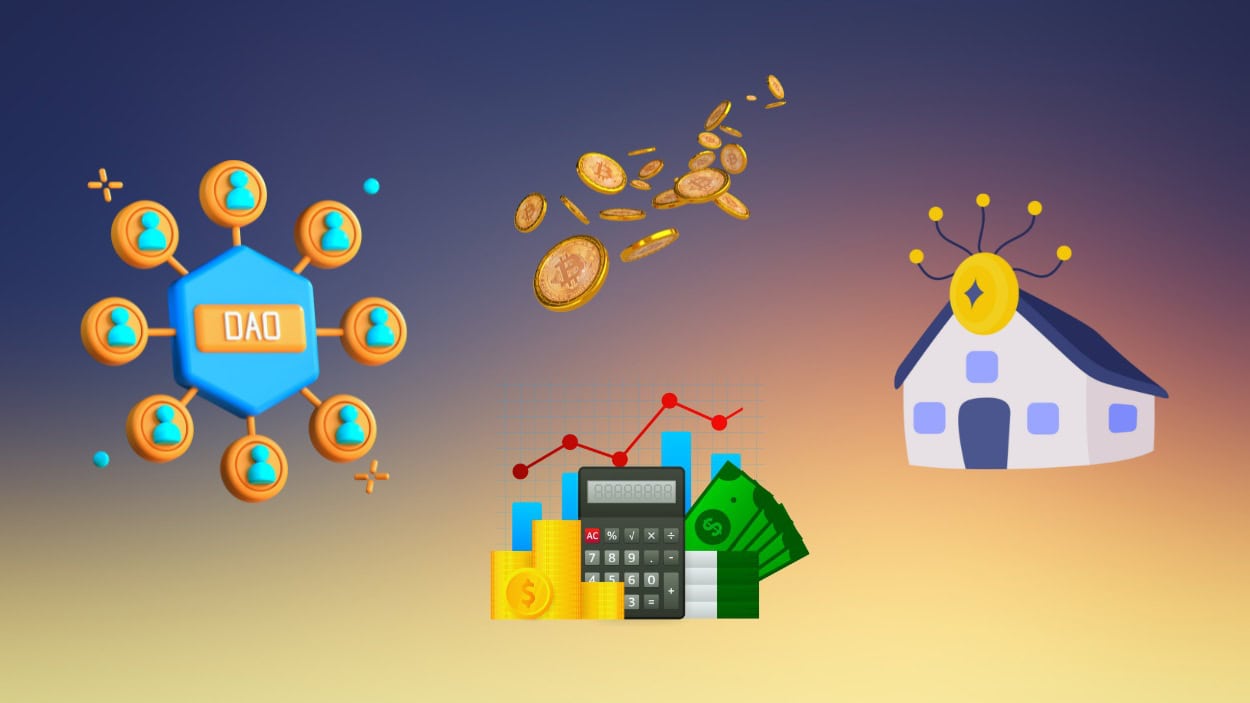
5. On-Chain Governance and Compliance IntegrationIntegrate on-chain voting for treasury decisions with compliance tools, ensuring regulatory adherence for tokenized assets. BlackRock’s BUIDL and Ondo’s tokens provide institutional-grade compliance, allowing DAOs to govern allocations transparently while mitigating risks in a consolidating crypto treasury market.
Strategy 1: Core Allocation to Tokenized US T-Bills for 4-5% APY
Begin with the foundation: dedicate 40-60% of treasury to tokenized US T-bills. Products like Ondo’s OUSG, backed by BlackRock’s BUIDL, offer institutional-grade exposure yielding around 4.2-5% APY, far superior to idle stablecoins. This allocation provides principal protection backed by US government debt while enabling composability in DeFi. For instance, DAOs can stake these tokens in money market funds for compounded returns without custody risks. In my 11 years bridging TradFi and crypto, I’ve seen volatility wipe out aggressive portfolios; tokenized T-bills act as the anchor, preserving capital during downturns. Allocate via platforms supporting multi-chain deployment to minimize gas fees and maximize accessibility.
Consider the mechanics: these tokens represent direct claims on underlying Treasuries, with daily yield accrual distributed on-chain. As the sector nears $11 billion, liquidity pools deepen, reducing slippage for large DAO inflows. Pair this with stablecoin pairings for seamless conversions, ensuring treasuries remain battle-tested.
Strategy 2: Stablecoin Vault Deposits for Compounded Yields
Next, channel excess stablecoins into specialized vaults designed for compounding. OpenEden’s USDO and cUSDO on Solana exemplify this, fully backed by tokenized Treasuries and auto-compounding yields at competitive rates. Vaults like these employ vault-tempo alignment, sweeping yields back into principal for exponential growth over time. DAOs benefit from automation: deposits earn passively, with withdrawals available near-instantly, sidestepping traditional banking delays.
This strategy shines in liquidity management. By depositing USDC or USDT equivalents into yield-bearing vaults, DAOs capture 4-5% APY while retaining peg stability. Risks? Minimal, given over-collateralization and regulatory wrappers. I’ve advised DAOs where vault strategies doubled effective yields versus holding, all without impermanent loss exposure. Integrate with multi-sig wallets for governance-approved deposits, scaling as treasury size grows.
AI-powered platforms like Vinci and Blueprint elevate this further, performing real-time sweeps across DeFi for optimal vault placement, ensuring DAOs capture peak yields without manual intervention.
Strategy 3: Automated Rebalancing via Smart Contracts
Automate DAO Treasury Rebalancing: Tokenized T-Bills & Stablecoin Vaults Setup Guide
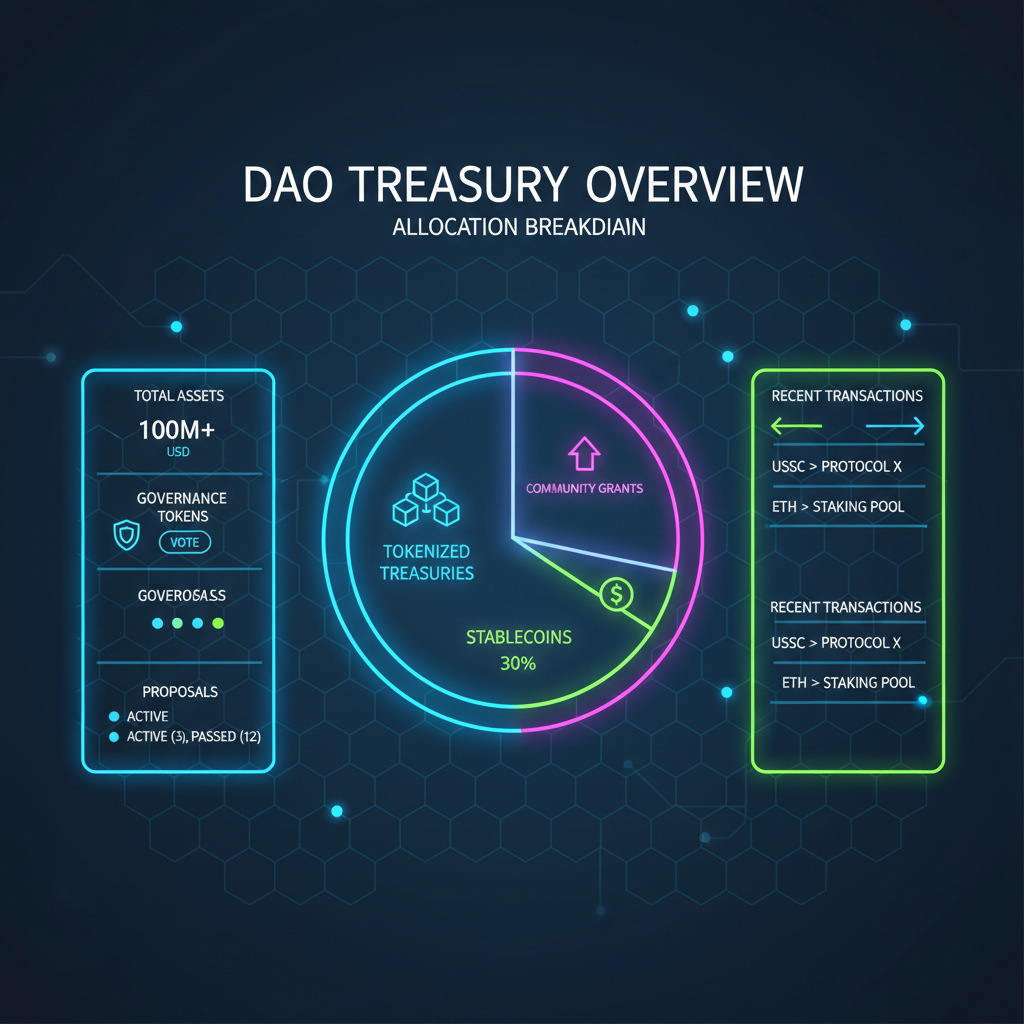
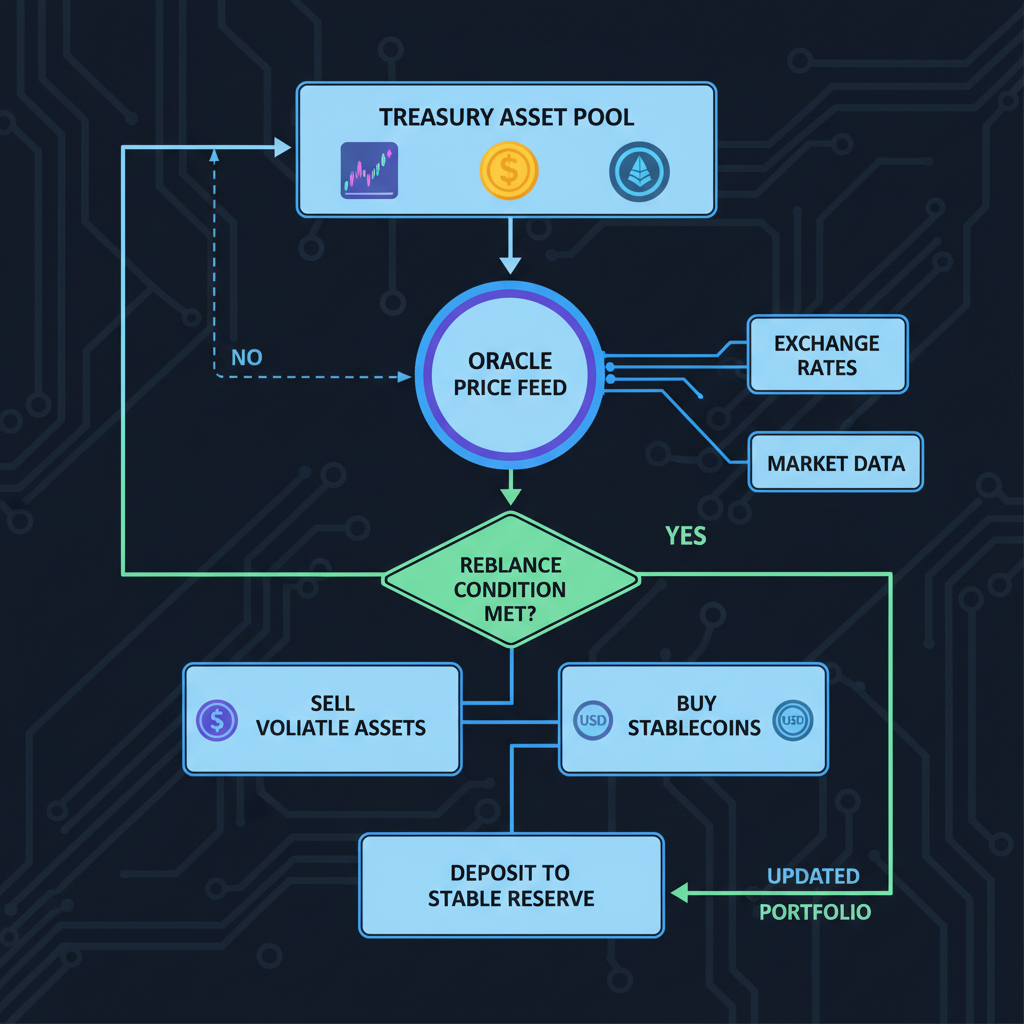
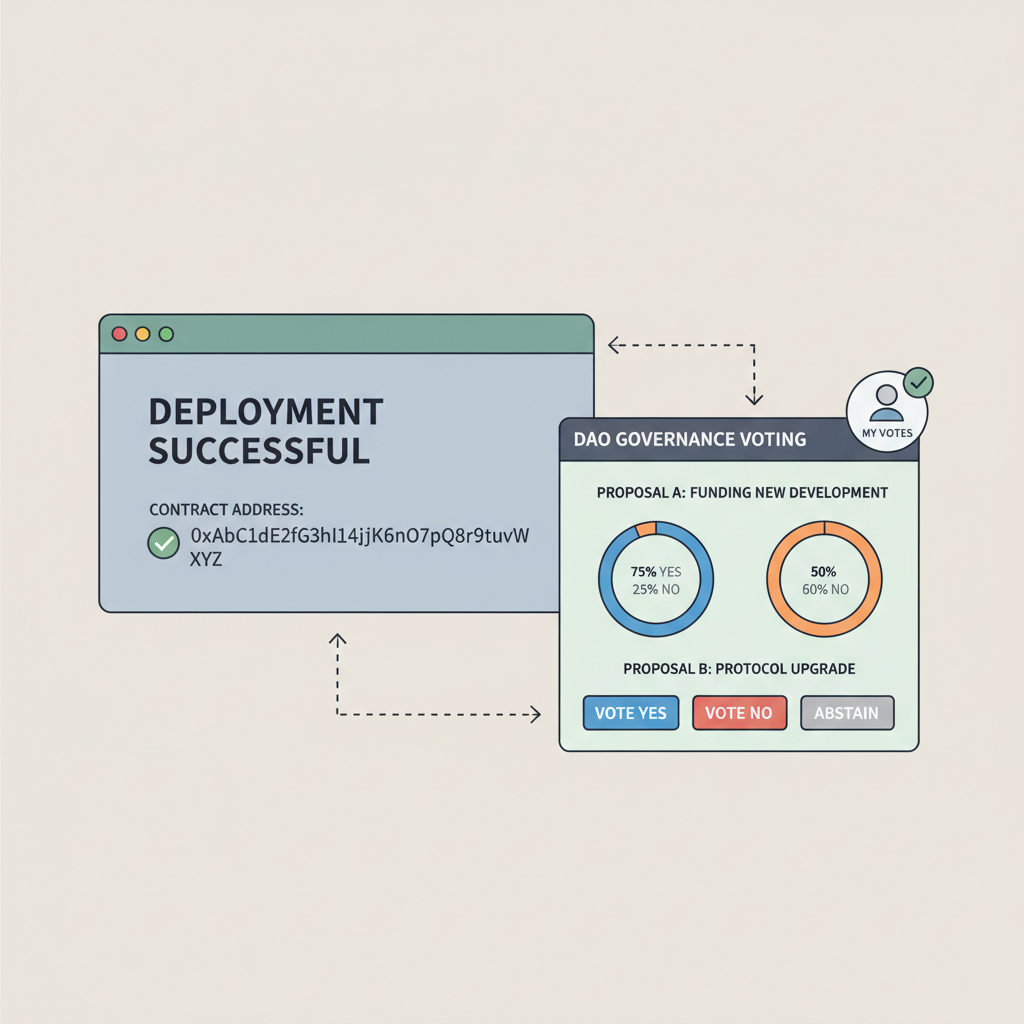
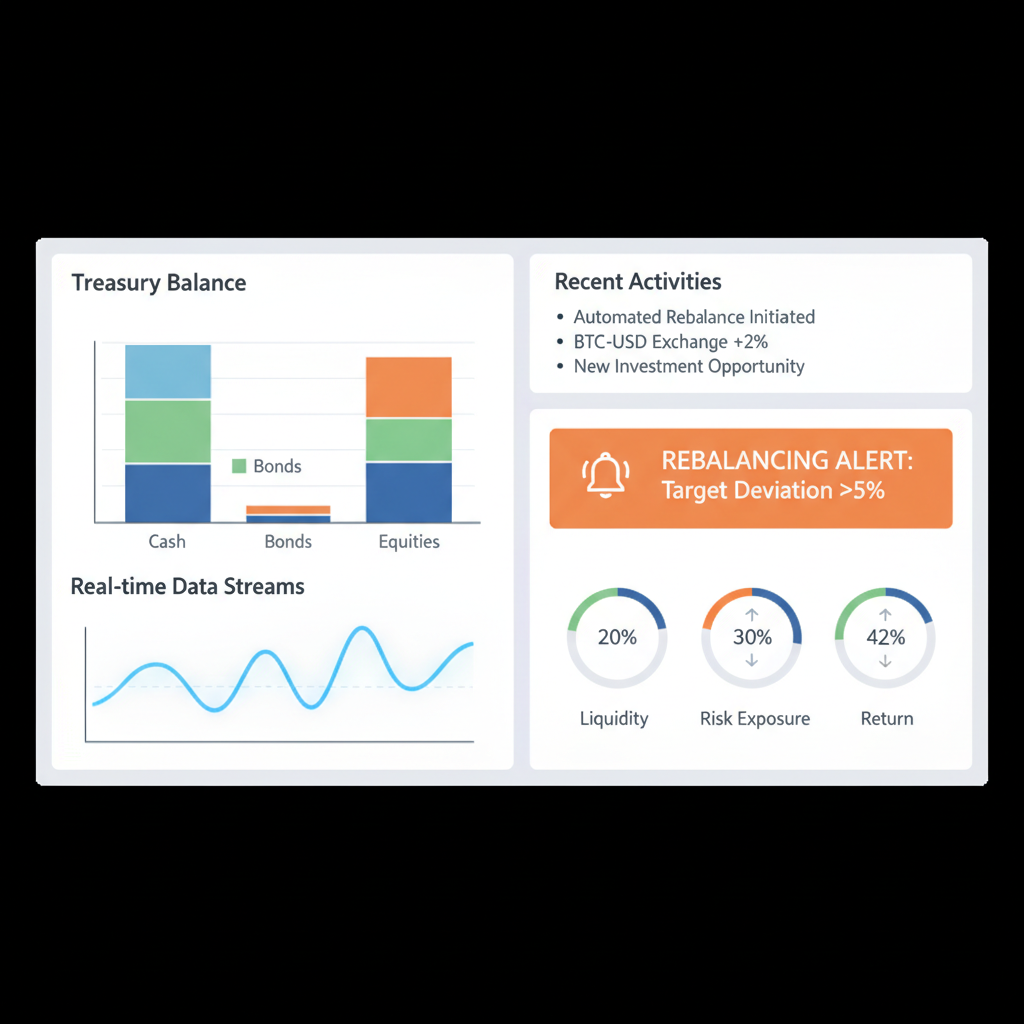

Dynamic markets demand agility, so deploy smart contracts for automated rebalancing. These protocols monitor yield differentials between tokenized US Treasuries, stablecoin vaults, and adjacent DeFi opportunities, shifting allocations threshold-based. For example, if BUIDL’s APY dips below 4%, contracts route funds to Ondo’s USDY or OpenEden’s cUSDO, maintaining 4-5% targets. Tools like Blueprint’s AI engine scan RWA markets, routing reserves into compliant pools per DAO mandates, with human oversight for edge cases.
This automation minimizes opportunity costs and human error, crucial as tokenized Treasuries hit $10.86 billion. In practice, set parameters via governance proposals: 50% T-bills minimum, 30% vaults, 20% lending. Triggers execute on-chain, gas-optimized across Ethereum and Solana. From my experience, DAOs ignoring rebalancing lost 1-2% annual yield to inertia; smart contracts enforce discipline, compounding advantages over quarters. Integrate oracles for real-time APY feeds, ensuring decisions reflect live data like Solana’s $14.5 billion stablecoin surge.
Strategy 4: RWA-Collateralized Lending Strategies
Amplify yields by lending tokenized T-bills and vault deposits as RWA collateral in DeFi protocols. Platforms accept OUSG or USDO as over-collateralized loans, enabling DAOs to borrow stablecoins at low rates (1-2%) for further deployment or operations. This layered approach boosts effective APY to 6-8% net, blending safety with leverage. BlackRock’s BUIDL, with $2.9 billion AUM, serves as prime collateral due to its liquidity and backing.
Risks? Controlled via loan-to-value ratios under 50%, preventing liquidations in volatility. Ondo’s $2.5 billion ecosystem supports seamless composability, where lent assets earn dual yields: base Treasury plus lending premiums. DAOs like those using Vinci automate sweeps into high-borrow-demand pools, verifying data on-chain. I’ve modeled scenarios where this strategy added 2% incremental yield without equity exposure; pair with insurance protocols for tail risks. As Wall Street tokenizes more RWAs, lending markets deepen, favoring early DAO adopters in on-chain treasury strategies.
Comparison of Key Tokenized US Treasury Products for DAOs
| Product | AUM | APY | Chains/Backing | Pros | Cons |
|---|---|---|---|---|---|
| BUIDL | $2.9B | ~4.5% | ETH, SOL, POL | ✅ BlackRock institutional backing 🔗 Multi-chain support 💧 24/7 liquidity & instant settlement |
❌ Potentially higher fees ⚠️ Centralization risks |
| USDY | $2.5B | 4.2% | Backed by short-term T-bills & bank deposits | ✅ Yield-bearing stablecoin 🏦 Ondo Finance RWA leader 📈 Consistent Treasury exposure |
❌ Limited chain details ⚖️ Yield variability with rates |
| cUSDO | N/A | Yield-bearing (USDO) | Solana | ✅ Low fees ⚡ High throughput 🔒 Fully backed by tokenized Treasuries |
❌ Solana-only 🆕 Newer launch (Dec 2025) ⚠️ Ecosystem risks |
Tokenized Treasuries proved resilient in past downturns, underscoring lending’s viability.
Strategy 5: On-Chain Governance and Compliance Integration
Cap the framework with governance tokens dictating allocations and compliance checks. Snapshot or Tally proposals let token holders vote on rebalancing params, vault selections, or risk thresholds, executed via multisig or DAO agents. Embed KYC/AML oracles for regulatory alignment, vital as stablecoin volumes grow per S and P insights.
This democratizes DAO treasury management while enforcing prudence. For instance, require 60% quorum for shifts exceeding 10% allocation, with time-locks preventing rash moves. Platforms like OpenEden’s regulated wrappers ensure vaults meet institutional standards. In consolidation phases, per KuCoin reports, compliant DAOs attract inflows; non-compliant ones face outflows. My philosophy holds: robust governance builds trust, turning treasuries into community assets. Track via dashboards showing yield attribution to voter-approved strategies.
Layering these strategies – core T-bill anchors, vault compounding, auto-rebalancing, RWA lending, and governance safeguards – equips DAOs for 2026’s $25-30 billion tokenized market. With $2.12 billion inflows already reshaping DeFi, those prioritizing stability harvest DeFi DAO yields 2026 amid volatility. Institutions like BlackRock validate the path; DAOs executing diligently will lead, their treasuries not just surviving but thriving on-chain.
About the Author