
DAOs promised a revolution in collective ownership, but too often, their treasuries sit paralyzed by endless governance debates and risky manual moves across chains. I’ve watched promising projects bleed value while token holders argue over every rebalance. DAO treasury paralysis isn’t just inefficiency; it’s a silent killer in DeFi, where timing is everything.

The symptoms are everywhere. Proposals languish for weeks as quorums fail to materialize, leaving assets exposed to volatility. Cross-chain bridges, meant to unlock liquidity, instead become chokepoints riddled with hacks and delays. Recent events like Balancer Labs shutting down while the protocol limps on under DAO governance underscore this chaos. Even as platforms like KeeperHub roll out tools for automated workflows, many DAOs cling to manual multisig approvals, amplifying governance vote delays.
The Hidden Costs of Manual Treasury Management
Picture this: your DAO holds a mix of ETH, stablecoins, and yield-bearing tokens. Market shifts, and suddenly that allocation is way off. A proposal to rebalance goes up for vote, but low turnout means nothing happens for a month. By then, opportunity costs have piled up, and worse, idle funds miss out on yields. Add bridge risks – transferring assets between chains exposes treasuries to exploits, as we’ve seen time and again.
Traditional DAO treasuries face misaligned incentives, illiquidity, and manual processes, leading to inefficiencies and vulnerabilities.
From my experience advising DAOs, these delays aren’t abstract. They erode trust and stunt growth. Automated DAO treasury management flips the script by executing predefined rules without waiting for votes. Tools like automated keepers monitor conditions – say, ETH dropping below 40% of portfolio – and trigger rebalances instantly.
Why Bridges Are a Treasury’s Worst Nightmare
Cross-chain operations sound seamless, but they’re not. Bridges concentrate risk; a single vulnerability can drain millions. DAOs bridging assets for better yields often wait days for confirmations, all while governance lags behind. Enter cross-chain treasury rebalancing via automation: smart contracts that swap assets natively or through audited, low-risk paths.
Key Risks of Manual Cross-Chain Moves
-
1. Bridge Hacks: Cross-chain bridges like Ronin Bridge (hacked for $615M in 2022) are prime targets for exploits, risking total fund loss during manual transfers.
-
2. Governance Delays: DAO voting can take days or weeks, as seen in Balancer DAO transitions, leaving treasuries exposed to market shifts.
-
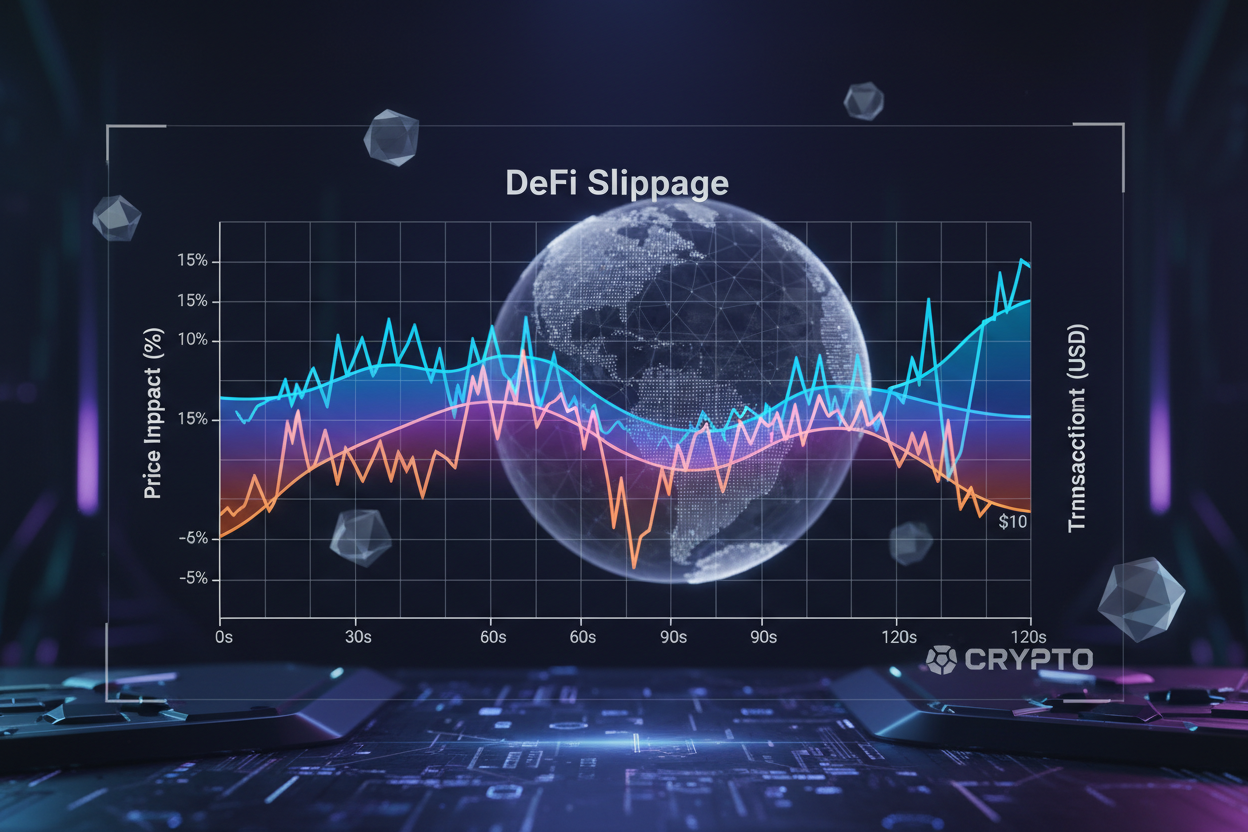
3. Slippage from Timed-Out Executions: Delayed approvals cause trades to execute at worse prices; volatile markets amplify losses when multisig txs timeout.
-
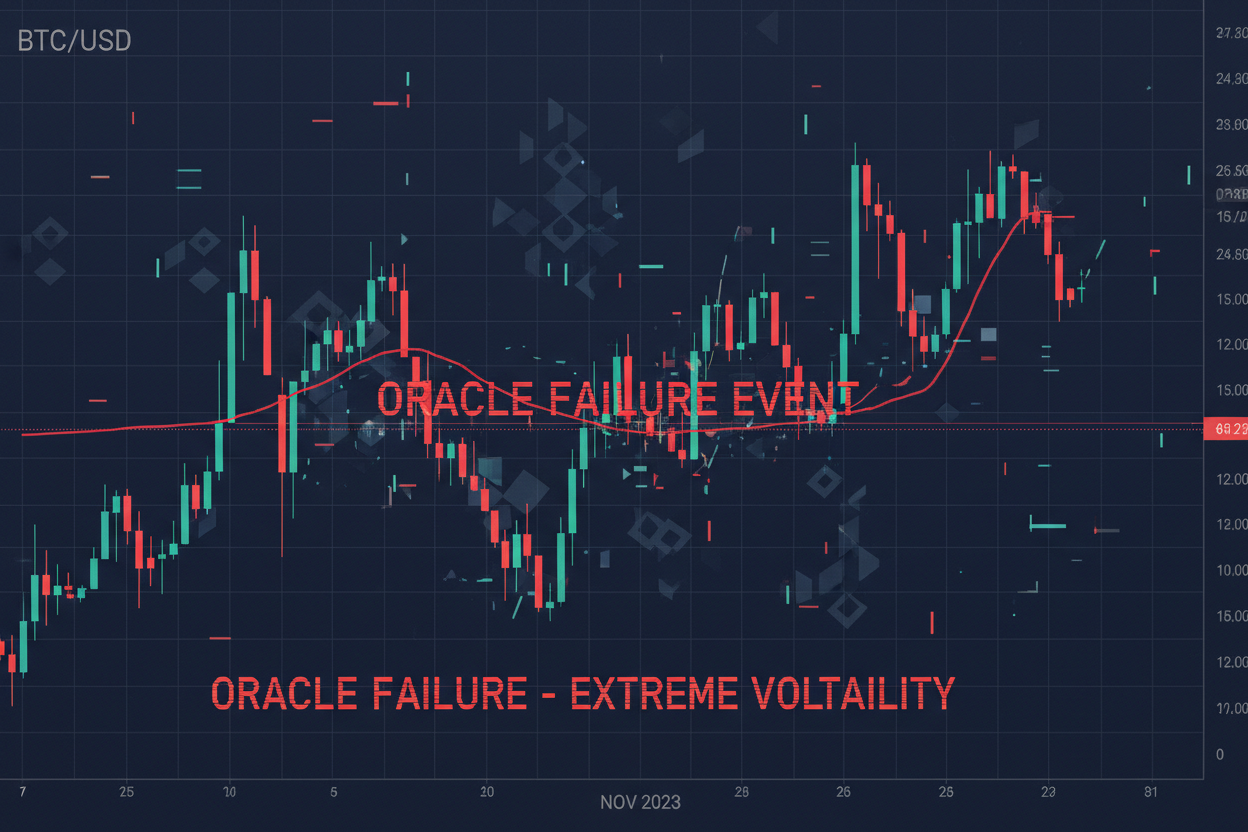
4. Oracle Failures in Volatile Markets: Price feeds like Chainlink can lag or fail during crashes, leading to incorrect valuations and bad rebalancing decisions.
Platforms tackling this include those aligned with 0G Labs and Dango, pushing 0G Labs Dango treasuries toward structural fixes. KeeperHub, for instance, lets DAOs configure rebalancing workflows that handle fund distribution without human input. It’s not pie-in-the-sky; it’s live now, reducing exposure while optimizing returns.
Building Smarter Strategies with Algorithmic Tools
Algorithmic treasury strategies aren’t about handing keys to a black box. They’re programmable guardrails: max slippage limits, whitelisted counterparties, real-time monitoring. DAOs can set rules like “rebalance if USDC yield dips below 5%” and let keepers execute. This cuts DAO treasury optimization from a monthly ordeal to a set-it-and-forget-it system.
Take debt management: automated systems adjust collateral ratios autonomously, preventing liquidations. Yield farming? Bots rotate into top pools without vote marathons. Yet, as the updated context warns, automation brings oracle risks and contagion if strategies interlink poorly. That’s why hybrid approaches – heavy automation with oversight – win. Check out our guide on automated treasury risk management for real-world setups.
Balancer’s saga shows DAO governance alone falters under pressure. Independent operation post-labs shutdown highlights the need for resilient, automated layers. Projects like Permaweb DAO and dGrid AI layer in AI for better alignment, tokenizing reputation on chains like 0G to streamline decisions.
I’ve advised enough DAOs to know that jumping into full automation without a plan is a recipe for regret. The key is starting small: pick one pain point, like idle stablecoins, and automate its yield optimization first. Tools like KeeperHub make this straightforward, handling multisig monitoring and rebalancing workflows that trigger on market shifts. No more governance vote delays stalling your treasury while ETH pumps or dumps.
A Practical Blueprint for Automated Rebalancing
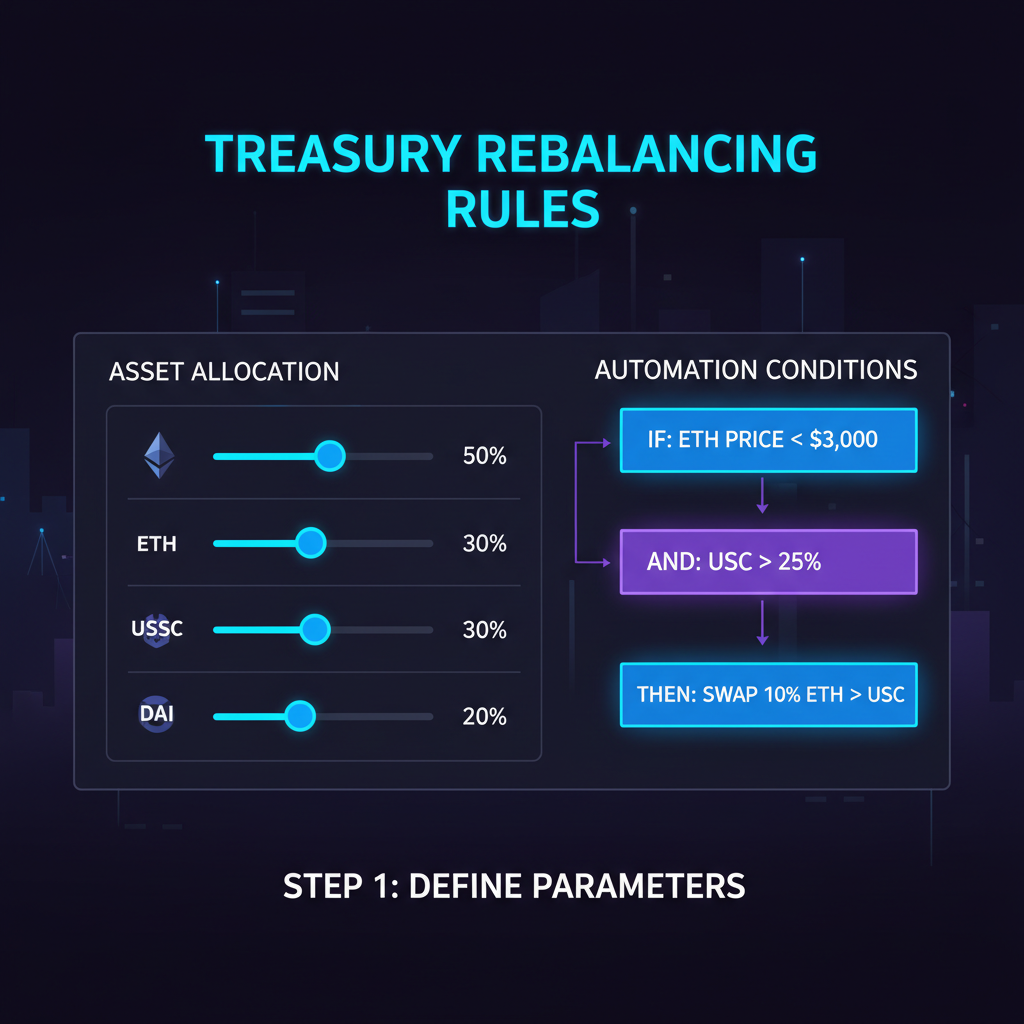
Cross-chain treasury rebalancing demands precision. Instead of bridging everything manually, use layer-2 solutions or native swaps on DEXes with low slippage. Define thresholds – say, rebalance if any asset exceeds 50% of the portfolio – and deploy keepers to watch oracles 24/7. This isn’t just theory; DAOs using these setups have cut opportunity costs by 30% in my observations.
Automate Your DAO Treasury: KeeperHub Setup in 5 Steps
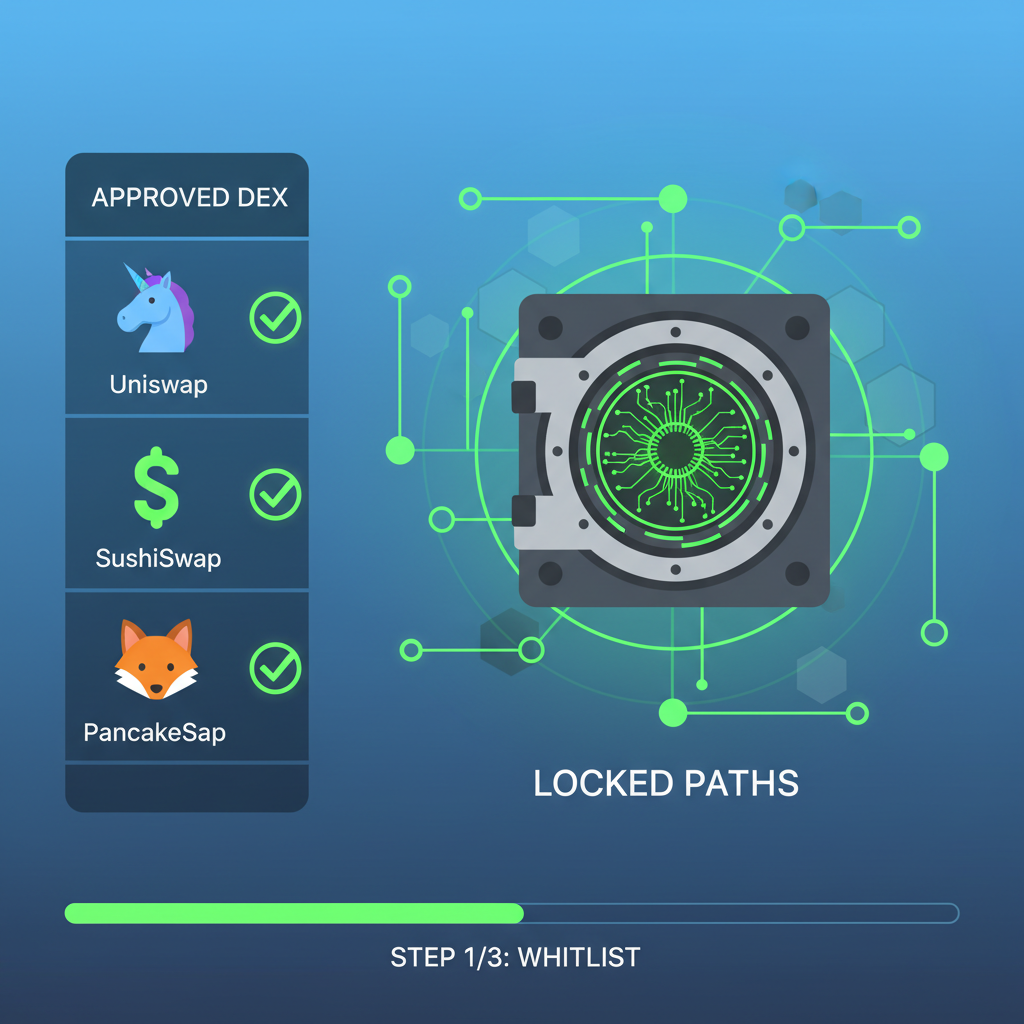
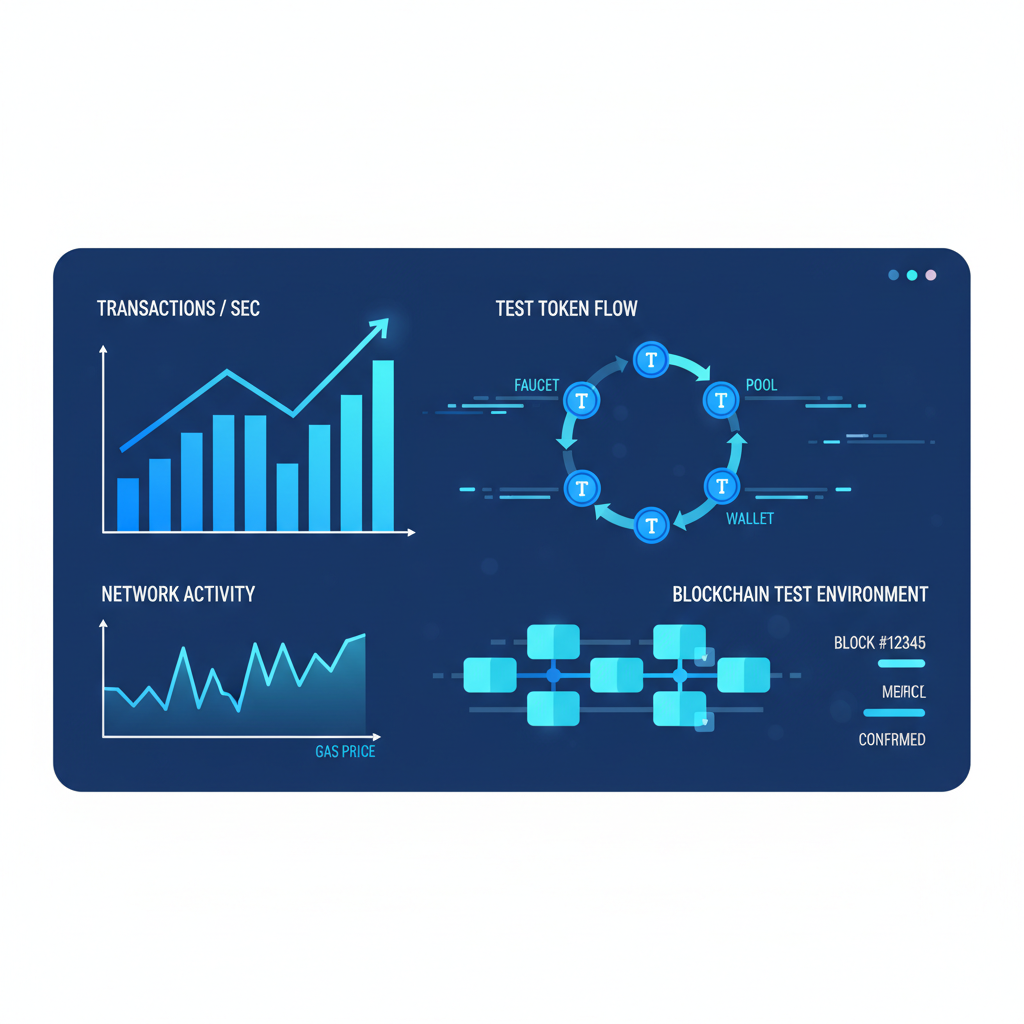
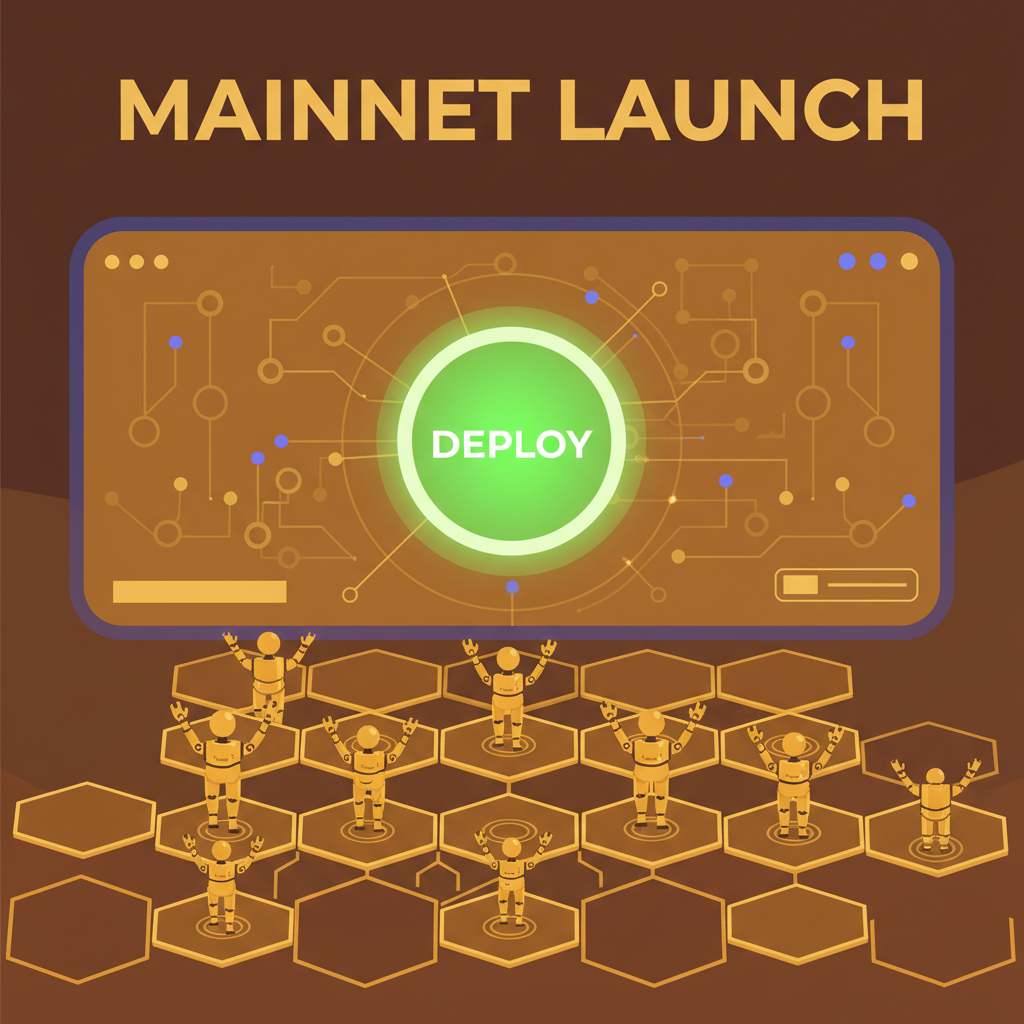
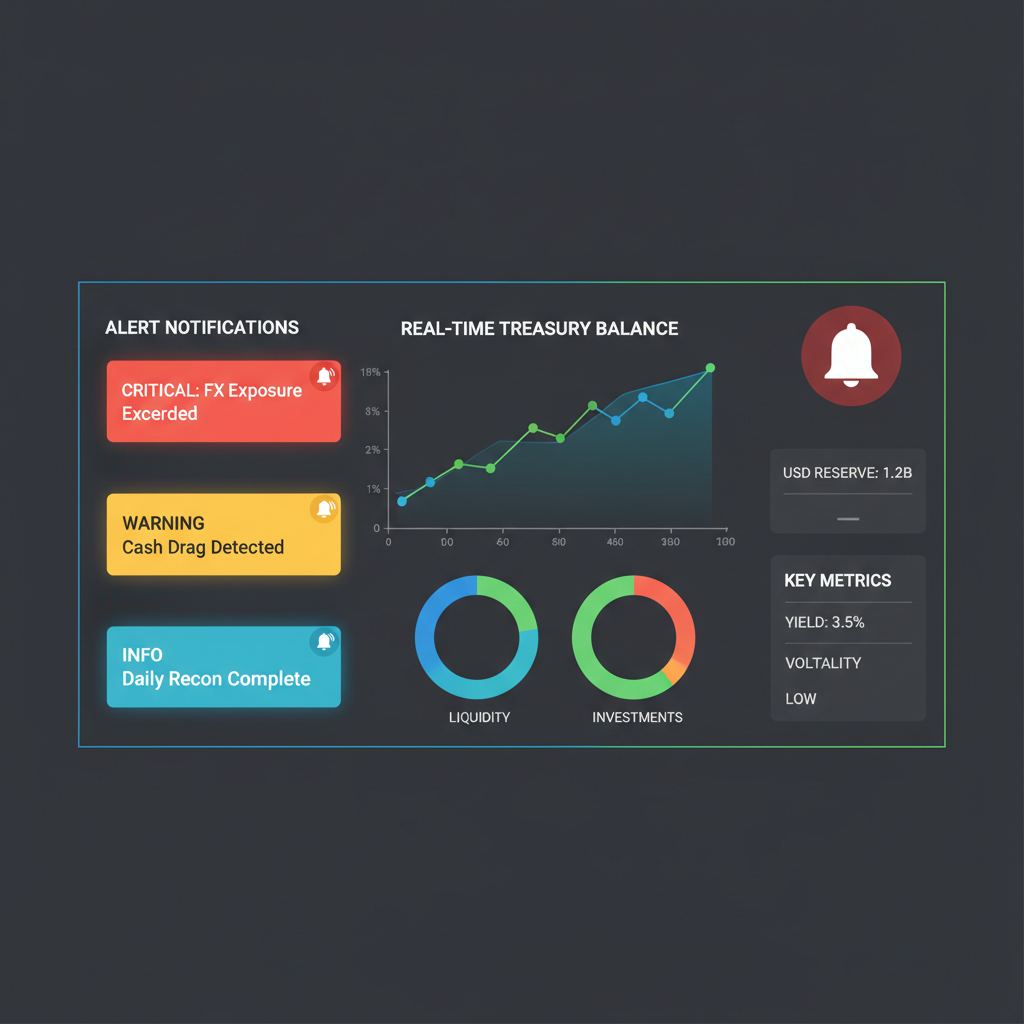
But automation shines brightest when layered with intelligence. Emerging stacks from 0G Labs and Dango integrate AI for predictive rebalancing, anticipating volatility before it hits. Imagine your treasury preemptively shifting to stables during a dip, all without a single proposal. 0G Labs Dango treasuries represent this evolution, aligning incentives through tokenized reputation systems that reward smart governance.
Safeguards Against Automation Pitfalls
Here’s where I get opinionated: pure trust in code is naive. The updated landscape warns of oracle manipulation and contagion risks from interconnected strategies. DAOs must bake in redundancies – multiple oracles, circuit breakers, and human veto rights for extreme events. Programmable policies enforce max exposure limits, ensuring no single failure cascades.
Hybrid oversight keeps things human. Set weekly reviews where delegates spot-check keeper executions, blending speed with accountability. This mitigates the paralysis of full manual control without courting black-swan disasters. Platforms like Permaweb DAO and dGrid AI are prototyping AI governance layers that vote on edge cases, tokenizing reputation to filter bad actors.
Real-world wins are mounting. DAOs automating debt repayments dodge liquidations during flash crashes, while yield optimizers rotate seamlessly into top APYs. DAO treasury optimization becomes proactive, not reactive. Yet, success hinges on transparency: publish your rules on-chain, let token holders verify keepers, and build trust through open dashboards.
Consider the Balancer protocol chugging along post-labs shutdown – a testament to resilient design, but one that automation could have fortified further. As DeFi matures, algorithmic treasury strategies will define winners. Those clinging to manual multisigs risk obsolescence amid rising complexity.
Empower your DAO today. Audit your treasury, pilot a keeper workflow, and watch paralysis lift. The blockchain waits for no vote; get ahead with tools that execute while you govern the big picture. Secure, efficient treasuries aren’t a luxury – they’re survival in decentralized finance.
About the Author